

I still remember the first time someone handed me a cup of coffee and said, “you’ll get notes of blueberry and jasmine in this one.” I remember thinking, wait, did someone add blueberry syrup to this? I took a sip, half-expecting something artificial, and instead got this bright, almost floral cup that genuinely reminded me of berries. No syrup. No flavoring. Just coffee.
That moment kind of hooked me, and years later, working with beans every single day at Mister Coffee, I still get a small thrill every time I discover a new note in a cup I’ve had a hundred times before.
So let’s talk about coffee flavor notes — what they actually are, why two coffees can taste worlds apart, and how you can start noticing them in your own cup.
Table of Contents
Coffee flavor notes are the specific tasting characteristics you pick up in a cup of coffee — things like “citrusy,” “chocolaty,” or “floral.” They’re descriptive words that help capture what’s actually happening on your palate.
It helps to separate a few related terms that often get mixed up:
When people talk about flavor notes in coffee, they’re usually referring to that middle category — flavor — though a good taster pays attention to all four.
Here’s the short answer: no, and this genuinely surprises a lot of people when I explain it at tastings.
Coffee flavor notes are natural — they come from hundreds of aromatic compounds that develop inside the bean itself, shaped by everything from the soil it grew in to how it was roasted. Nobody’s dropping in a chocolate extract or a berry essence.
So why does a coffee taste like chocolate, berries, or honey without containing any of those things? It comes down to chemistry. Coffee beans contain natural sugars, acids, and volatile compounds that, once roasted, produce flavor molecules strikingly similar to the ones found in chocolate, fruit, or honey. Your brain picks up on those familiar molecular signatures and essentially translates them into “oh, that tastes like berries.”
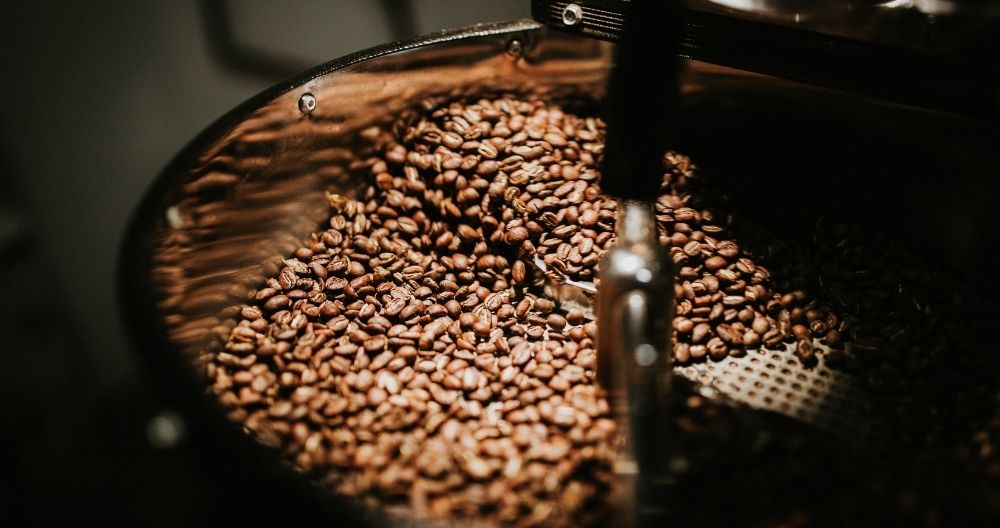
This is the part I find genuinely fascinating, because flavor isn’t decided at just one point — it’s built in layers, starting from the moment the coffee plant grows and ending the second you take a sip.
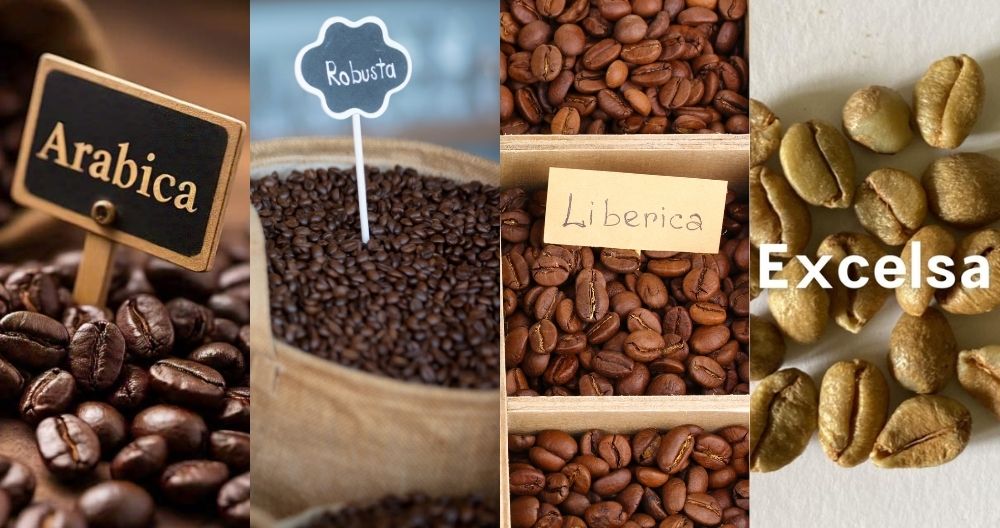
Different coffee species carry naturally different flavor tendencies:
I always tell people new to specialty coffee: if you want a gentle introduction to flavor notes, start with Arabica. If you want something bold and no-nonsense, Robusta will get you there fast.
Learn more: Arabica vs Robusta Coffee Beans: What are the Key Differences?
Just like wine, coffee is deeply shaped by where it’s grown — what the industry calls terroir.
This is why the exact same coffee variety grown in two different countries can taste completely different once it’s in your cup.
After the coffee cherry is picked, how it’s processed changes the flavor dramatically:
Roasting is where raw, grassy-tasting green coffee transforms into the aromatic beans we actually brew. Lighter roasts preserve more of the bean’s original fruity and floral character, while darker roasts develop deeper, more caramelized, chocolaty, and smoky notes. We’ll dig deeper into this shortly.
Even after all of that, how you actually brew the coffee still shapes what notes you taste. A pour-over highlights clarity and brightness. Espresso concentrates body and sweetness. Immersion methods like French press bring out fuller, heavier textures.
Learn more: Types of Coffee Brewing Techniques
Here’s a quick reference I share with a lot of our customers who are just starting to explore different bean types:
| Coffee Type | Common Flavor Notes | Body | Acidity |
| Arabica | Fruity, Floral, Honey, Caramel, Chocolaty | Medium | High |
| Robusta | Cocoa, Earthy, Herb, Strong-bodied | Full | Low |
| Liberica | Pineapple, Mango, Floral, Unique | Medium-Full | Medium |
| Excelsa | Cherry, Red Berries, Cocoa | Medium | Bright |
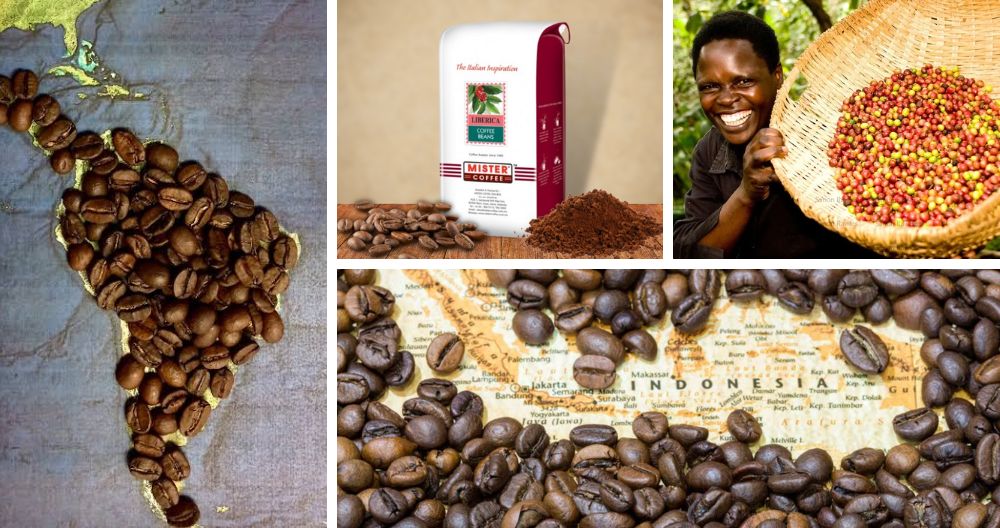
Variety and processing matter, but origin is often the single biggest storyteller in your cup. Here’s how it breaks down across the regions we source from most.
African coffees, especially from Ethiopia and Kenya, are famous in the specialty coffee world for their vivid, fruit-forward character. Typical notes include fruity, floral, red berries, cherry, and orange.
I remember cupping an Ethiopian Yirgacheffe for the first time and genuinely double-checking the bag to see if it was blended with dried berries. It wasn’t — that’s just what high-altitude Ethiopian Arabica naturally tastes like.
Coffees from Brazil, Colombia, and Guatemala tend to sit on the sweeter, more approachable end of the spectrum. Common notes include chocolaty, nutty, caramel, cocoa, and an overall balanced profile.
These are usually the coffees I recommend to people who say “I don’t really like fancy, fruity coffee, I just want something that tastes like coffee.” Latin American beans deliver that classic, comforting cup beautifully.
Sumatra, Java, and Sulawesi coffees bring something entirely different to the table: earthy, herbal, strong-bodied, cocoa, and chocolaty notes. These are heavier, more rustic cups, often the result of the wet-hulling process that’s traditional in the region.
Learn more: Where to Buy Authentic Indonesian Coffee Beans?
This one holds a special place for us. Bali Kintamani coffee typically shows notes of orange, lemongrass, fruity, sweet, and balanced characteristics.
The reason comes down to the region’s volcanic soil around Mount Batur. Volcanic soil is naturally rich in minerals, and combined with the local farming tradition of intercropping coffee with citrus trees, it produces some of the brightest, most citrus-forward coffee we carry.
As a Malaysia-based team, this one’s close to home. Liberica coffee grown locally carries a genuinely unique profile — pineapple, mango, floral, and just an all-around unusual character you won’t easily find elsewhere.
If you’ve only ever had Arabica or Robusta, Liberica is worth trying purely for how different it is. It’s one of those coffees that tends to surprise even experienced coffee drinkers.
Roasting has a huge influence on which notes come through most strongly.
| Roast Level | Typical Flavor Notes |
| Light Roast | Fruity, Floral, Orange, Lemongrass |
| Medium Roast | Honey, Caramel, Nutty, Balanced |
| Dark Roast | Cocoa, Chocolaty, Earthy, Strong-bodied |
Roasting essentially controls a trade-off between acidity, sweetness, and body. Light roasts preserve the bean’s original acidity and delicate aromatics, which is why they taste brighter and more fruit-forward. As roasting continues into medium territory, sugars caramelize and the coffee develops rounder, sweeter notes. Push into dark roast, and those original fruity or floral notes largely disappear, replaced by deep, smoky, chocolate-forward flavor and a heavier body.
Learn more: Medium vs Dark Roast Coffee – The Ultimate Guide to Finding Your Perfect Cup
Coffee professionals often use something called a coffee flavor notes wheel — a visual chart that organizes flavors into categories, helping tasters put a name to what they’re experiencing. Think of it as a vocabulary tool for your taste buds.
This category includes fruity, cherry, red berries, mango, and pineapple. You’ll find these most reliably in Ethiopian coffees, Kenyan coffees, and Bali Kintamani.
Citrusy notes cover things like orange and lemongrass. These cups tend to have bright acidity, a refreshing finish, and a lighter, almost tea-like body.
Simply labeled “floral,” this category includes aromas like jasmine, rose, and lavender — delicate, perfumed notes usually found in high-altitude, lightly roasted Arabica.
Sweet notes include honey, vanilla, and caramel. These develop naturally during roasting, as the bean’s natural sugars caramelize under heat.
This group covers chocolaty and cocoa notes, with descriptors ranging from milk chocolate to dark chocolate to straight cocoa powder. You’ll usually find these in coffees from Brazil, Colombia, and Sumatra.
Nutty notes include almond, hazelnut, and walnut — common in balanced, medium-roasted Latin American coffees.
This category covers earthy and herb notes, often described as cedar, tobacco, forest floor, or general “herbs.” Sumatra and Java are the classic examples here.
Creamy and silky aren’t flavors so much as textures — describing a smooth, velvety mouthfeel and a rich finish that coats the palate.
“Strong-bodied” describes coffee with a heavy body, rich texture, and lingering finish. This is typically associated with Robusta, espresso blends, and dark roasts.
“Balanced” coffee has moderate acidity, pleasant sweetness, and medium body — essentially your reliable, everyday drinking coffee.
Occasionally you’ll come across coffee described simply as “unique” — think jackfruit, tropical fruit, fermented fruit, or exotic spice notes. Liberica and specialty microlots are where these unusual profiles show up most often.
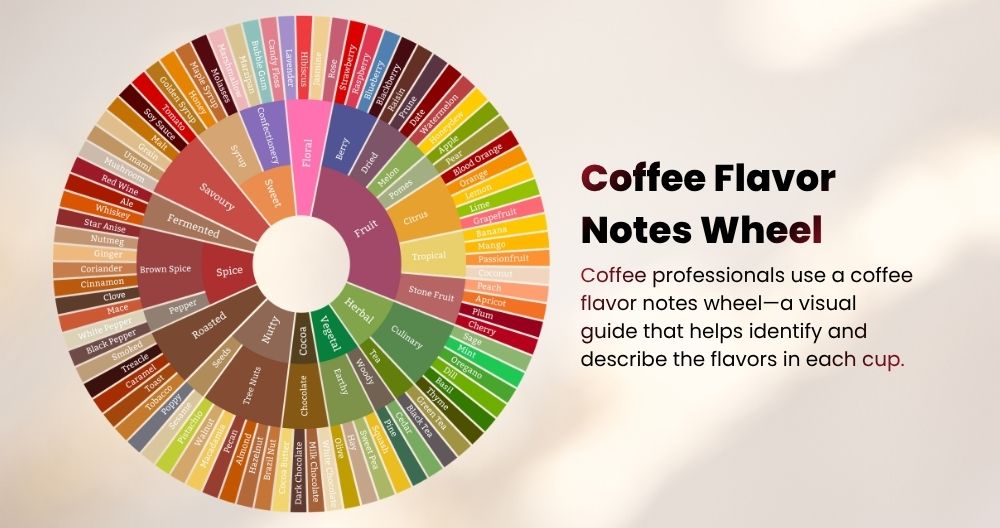
The flavor notes wheel is essentially a map of possible tasting descriptors, arranged from broad categories (like “fruity” or “earthy”) down to specific ones (like “raspberry” or “cedar”). Professional cuppers use it to standardize language, so a “citrusy” note in one country means the same thing in another.
For beginners, the wheel is genuinely one of the best tools for building your palate. Next time you brew a cup, try tasting with the wheel open next to you. Instead of just saying “this is good,” you’ll start asking yourself, is this more chocolaty or more nutty? Bright and fruity, or earthy and heavy? Over time, this kind of deliberate tasting trains your palate to pick up more nuance.
Ever notice that the same bag of coffee can taste slightly different depending on how you brew it? That’s completely normal, and it comes down to a handful of variables:
If you’re not sure where to start, here’s a simple guide based on what you enjoy:
| If you like… | Try coffees with… |
| Bright & juicy | Fruity, Orange, Red Berries |
| Refreshing | Citrusy, Lemongrass |
| Elegant aromas | Floral |
| Sweet & smooth | Honey, Vanilla, Caramel |
| Rich & comforting | Chocolaty, Cocoa |
| Classic coffee | Nutty, Balanced |
| Bold flavors | Earthy, Herb, Strong-bodied |
| Smooth texture | Creamy, Silky |
| Something different | Pineapple, Mango, Unique |
At the end of the day, coffee flavor notes are simply nature’s fingerprint on every cup — shaped by the variety of the plant, the soil it grew in, how it was processed, roasted, and finally brewed. Nothing artificial, just chemistry and terroir working together in your favor.
My honest advice, after years of doing this for a living: don’t just take someone else’s word for what a coffee tastes like. Grab a bag, brew it slowly, and pay attention. You might be surprised by what you notice.
If you’re ready to start exploring, take a look through our Mister Coffee lineup and pick a bag based on the flavor profile that excites you most. Whichever direction you go, there’s a whole world of flavor waiting in that little brown bean.
Flavor notes are descriptive words used to capture the natural tasting characteristics of coffee, such as fruity, chocolaty, or floral, based on aroma, taste, body, and aftertaste.
Flavor notes develop through a combination of coffee variety, growing origin, processing method, roast level, and brewing technique — each stage shaping the final cup differently.
Yes. Flavor notes come from natural compounds inside the coffee bean itself, not from added flavorings or syrups.
Coffees from Brazil, Colombia, and Sumatra are especially known for chocolaty and cocoa notes.
Which coffee tastes fruity? Ethiopian and Kenyan coffees, along with Bali Kintamani, are well known for vivid fruity notes.
Ethiopian and Kenyan coffees, along with Bali Kintamani, are well known for vivid fruity notes.
This usually comes down to brewing variables — grind size, water temperature, freshness, or brew ratio can all mute or mask the notes that are naturally present in the bean.
It’s a visual chart coffee professionals use to categorize and describe flavor characteristics, helping tasters build a shared vocabulary and identify notes more precisely.


"Both say Colombia. So why is one RM60 for 500 g, and the other RM75 for just 250 g?" A customer...
My sister has exactly one coffee ritual: rip open a sachet, pour hot water, stir, done. No grinder, no scale,...
I still remember a regular at our café counter holding up two cups, sniffing each one, and asking me, half-joking,...
If you're anything like me, a proper brew is an essential part of your morning routine. Over the years, I’ve...
For a drink that has utterly transformed the way we enjoy our daily caffeine hit, it’s cold brew. There is...
There is nothing quite like waking up to the rich, inviting aroma of freshly roasted coffee filling your home. For...


