

Africa is widely regarded as the birthplace of coffee, and its influence on global coffee culture is unparalleled. Countries like Ethiopia, Kenya, and Rwanda have long been cultivating coffee for centuries, each developing distinctive growing regions, unique processing methods, and flavor profiles that are celebrated worldwide.
In recent years, African coffee has experienced a renaissance, fueled by growing specialty coffee markets, innovative roasting techniques, and a renewed focus on traceability and sustainability. From the fruity, wine-like notes of Ethiopian coffee to the bright, bold flavors of Kenyan beans, African coffee offers a spectrum of taste experiences that make it a favorite among coffee enthusiasts everywhere.
Specialty coffee shops across the globe are increasingly featuring African coffee beans, whether in single-origin pour-overs or espresso-based drinks. The combination of heritage, terroir, and experimentation ensures that African coffee isn’t just a beverage, it’s a journey through flavor, culture, and history. If you’re new to the coffee world, exploring African coffee beans opens up a world of complexity, aroma, and rich flavor behind every cup.
Key Takeaway
Africa is the birthplace of coffee, with countries like Ethiopia, Kenya, and Rwanda producing globally celebrated, distinct flavor profiles; it’s currently experiencing a renaissance in specialty markets, offering a rich journey through flavor, culture, and history.
Table of Contents
Africa is the original home of coffee, with the coffee plant believed to have first been discovered in the highlands of Ethiopia. Legend has it that a goat herder named Kaldi noticed his goats becoming unusually energetic after eating red coffee cherries, sparking the beginning of coffee cultivation in the region. From Ethiopia, coffee spread to Yemen and across the Arabian Peninsula before reaching Europe and the rest of the world.
Ethiopia, in particular, has remained a cornerstone of African coffee, producing beans that are highly prized for their unique floral, fruity, and wine-like flavors. Kenya, Rwanda, Tanzania, and other countries also developed their own coffee industries, often centered in high-altitude regions with fertile volcanic soil, perfect conditions for growing premium Arabica coffee.
Today, African coffee beans continue to be renowned for their complexity, clarity, and vibrant acidity, making the continent a key contributor to the global specialty coffee scene.
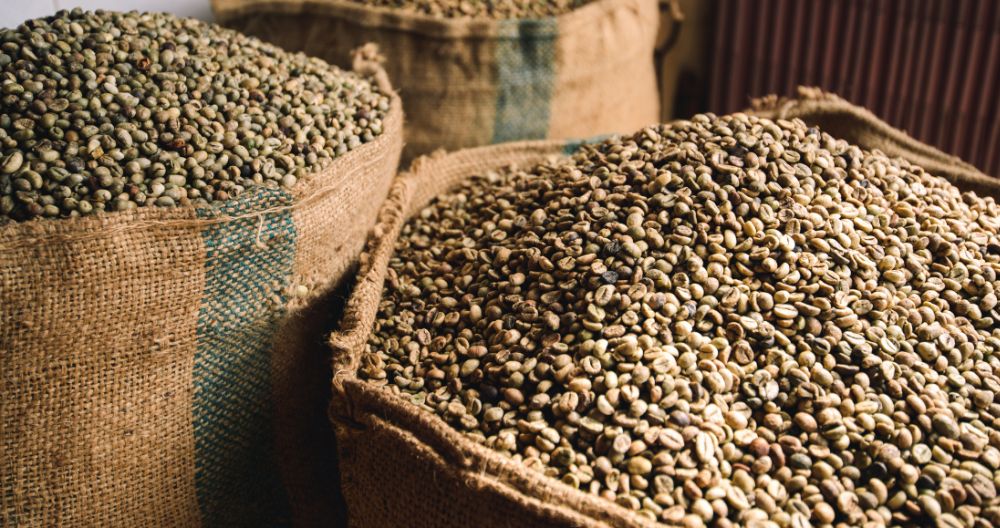
Ethiopian coffee is often considered the gold standard of African coffee beans. Grown mainly in regions like Sidamo, Yirgacheffe, and Harrar, Ethiopian coffee is prized for its distinctive floral, fruity, and wine-like flavors.
Beans are often processed using the traditional washed (wet) or natural (dry) methods, which influence their flavor profile. Washed coffees tend to be bright and clean, while natural-processed beans have richer, fruitier notes.
Ethiopian coffee is versatile and can be enjoyed in various brewing methods, from pour-over to French press, making it a must-try for anyone exploring African coffee.
Recommended Products
Kenyan coffee is celebrated for its bright acidity, full body, and juicy, berry-like flavors. Cultivated at high altitudes in volcanic soils, Kenyan coffee is typically hand-picked and wet-processed, which helps maintain its clarity and consistency.
The beans are known for their vibrant notes of blackcurrant, citrus, and red berries, making them ideal for pour-over or drip brewing methods that highlight their complex flavors.
Rwandan coffee is characterized by its smooth, medium body and delicate, fruity notes with hints of citrus and floral undertones. Grown in the fertile volcanic soils of the Rwandan highlands, these beans are mostly Arabica and carefully hand-processed by local cooperatives.
Rwandan coffee is ideal for those who enjoy a balanced, approachable cup with subtle complexity, offering a softer, elegant alternative to the boldness of Kenyan or Ethiopian coffees.
Tanzanian coffee, often grown on the slopes of Mount Kilimanjaro and Mount Meru, is known for its bright acidity and clean, crisp flavors. Arabica beans from Tanzania often carry notes of citrus, blackcurrant, and floral undertones, with a medium body that makes them perfect for pour-over or drip brewing. Tanzanian coffee highlights the diverse terroirs of Africa, offering a refined, flavorful experience that appeals to both beginners and seasoned coffee drinkers.
Recommended Products
African coffee is defined by its incredible diversity, influenced by region, altitude, soil, and processing methods.
Ethiopian coffee offers floral and wine-like complexity, Kenyan coffee delivers bright and juicy notes, while Rwandan and Tanzanian coffees provide smoother, balanced flavors.
Brewing methods like pour-over, French press, and drip highlight the unique characteristics of each bean, allowing coffee lovers to truly appreciate what African coffee has to offer.
Does Africa grow coffee?
Yes. Africa is a major global producer of coffee, with dozens of countries across the continent cultivating both Arabica and Robusta beans.
Does coffee come from Africa?
Yes. Africa is the birthplace of coffee. Specifically, Coffea arabica originated in the highlands of Ethiopia, while Coffea canephora (Robusta) is indigenous to the forests of Central and Western Africa.
Which African country produces the most coffee?
Ethiopia is the leading producer in Africa and typically ranks among the top five producers globally. Uganda is the continent’s second-largest producer, known particularly for its Robusta.
Is African coffee good?
It is considered world-class. African coffees are famous for their vibrant acidity and complex flavor profiles. Ethiopian beans often have floral and citrus notes, while Kenyan coffees are prized for their bold, wine-like berry flavors.


Although there are over 100 species of coffee in the world, Arabica and Robusta coffee beans are by far the...
Welcome to the great, fragrant world of coffee! If you enjoy drinking coffee, you probably know that it's more than...
Jamaica Blue Mountain coffee is one of the most famous, mysterious, and appealing names in the world of specialty coffee....
Caffeine in coffee is the natural stimulant that gives your morning brew its signature boost, helping you feel more alert,...
Coffee is one of the most versatile drinks in the world. It can be served hot or iced, brewed in...
Jamaican Blue Mountain is not the usual coffee that is commonly seen in the market. It is rare, scarce and...
