

For a long time, I thought all coffee beans were basically the same.
If the packaging looked premium and the coffee smelled “strong,” I assumed it was high quality. But after spending more time learning about specialty coffee and trying different roasters, I realized there’s a huge difference between average coffee and truly well-roasted beans.
As a coffee lover, I’ve learned that identifying high-quality roasted coffee beans becomes much easier once you know what to look for. And honestly, small details can completely change how your coffee tastes every morning.
Table of Contents
One of the biggest lessons I learned is this: freshness matters.
I used to buy coffee without checking the roast date at all. Now it’s the first thing I look for.
High-quality specialty coffee brands usually print a specific “Roasted On” date instead of only a “Best Before” date. That’s important because coffee gradually loses aroma and flavor after roasting.
According to the Specialty Coffee Association (SCA), coffee is generally at its best within a few weeks after roasting, depending on storage and brewing method.
Personally, I notice the biggest difference between about 5–30 days after roasting. The aroma feels richer, and the flavors taste much more alive.
But you don’t have to worry about the exact date anymore! At Mister Coffee we use Advanced MAP technology that really locks in the aroma and freshness. Thanks to this cutting edge packaging, your coffee stays perfectly preserved, meaning that the flavors taste as rich and alive as the day it was roasted.

Another thing that changed my coffee experience completely was switching from pre-ground coffee to whole beans.
I honestly didn’t expect such a noticeable difference at first.
But once coffee is ground, it starts losing volatile aromatic compounds very quickly due to oxidation. Research published by the National Coffee Association explains that grinding dramatically increases surface area exposure, which speeds up flavor loss.
That’s why I now prefer grinding beans right before brewing whenever possible.
Even the smell alone feels completely different.
The appearance of coffee beans actually tells me a lot now.
I’ve learned that good roasted coffee beans usually look evenly roasted, consistent in color, and not overly oily or burnt. I once bought very dark, shiny beans thinking they were premium, but the coffee tasted harsh and burnt.
I used to think shiny oily beans meant “premium dark roast.” But over time, I learned excessive oiliness can sometimes indicate over-roasting, which may hide lower-quality beans underneath strong burnt flavors.
High-quality roasting should highlight the bean’s natural characteristics instead of masking them completely.
One thing I really appreciate about specialty coffee brands is transparency. If a roaster tells me the country of origin, the farm, the processing method, and the tasting notes, I trust the coffee more because that means they care about quality.
I started to notice how different origins result in totally different experiences in the cup. For example, I personally like Ethiopian coffee when I want something fruity and floral, while I find Brazilian coffee to be smoother and more chocolatey.
At Mister Coffee, we believe knowing where coffee comes from helps people enjoy and appreciate every cup even more.
One of my favorite pleasures, honestly, is opening a new bag of coffee.
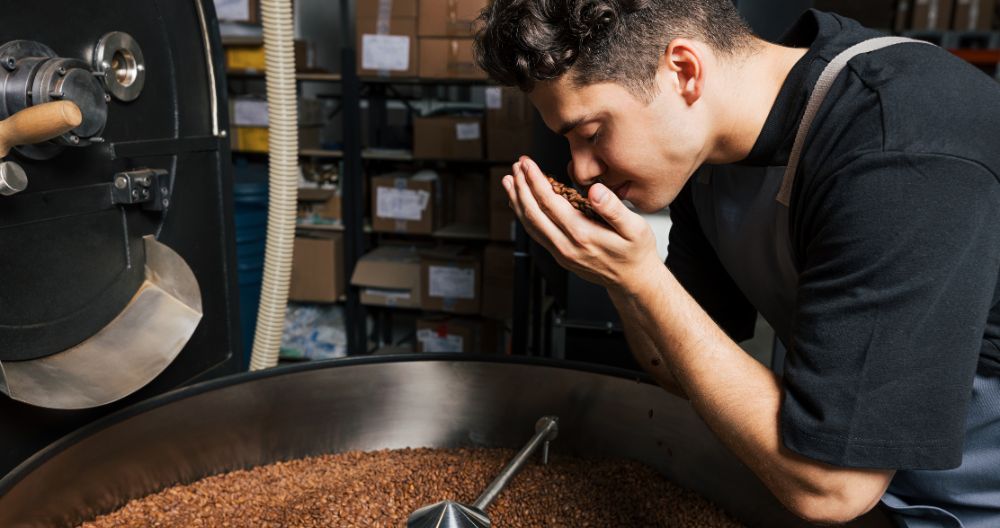
Good roasted coffee usually smells full and complex as soon as I open the package. Depending on the beans I’ll get smells like chocolate, caramel, almonds, berries or even flowery undertones.
To be honest, one of my favorite parts about preparing coffee is the fragrance before you brew. Fresh coffee and a bright scent usually means a nicer cup to me.
Scientific investigations on coffee fragrance molecules have identified hundreds of volatile compounds found in freshly roasted coffee that add to flavor richness and sensory perception.
Which is why fragrance is such a big predictor of quality.
This was perhaps the largest shift in mind set for me.
I used to think stronger and darker inherently meant a better coffee. Now I realize that good coffee is not about intensity, but about balance and clarity.
Specialty coffee is frequently smoother, clearer and has more nuanced flavors. Let the bitterness not fill the cup fully.
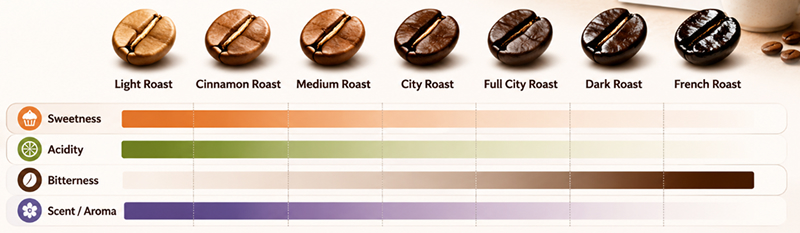
Research published in Food Chemistry, in fact, shows that the level of roasting has a substantial effect on the development of sweetness, acidity, bitterness and scent.
Good roasting brings out the natural tastes of the bean, rather than burning them away.
I learned the hard way that bad storage may ruin even superb coffee. I used to buy big bags of coffee, leave them open too long, and keep them near heat or humidity.
After a while the coffee no longer smelled good and began to taste flat. Now I keep coffee in airtight containers away from sunshine and humidity. It really helps to keep freshness longer.
“Coffee is a porous substance that rapidly absorbs moisture and aromas from the environment,” the National Coffee Association says. “This is why appropriate airtight storage is so important, whether you store your coffee at room temperature, in the fridge or in the freezer.”
Coffee Bean Storage Tips:
✓ Buy smaller batches of freshly roasted coffee
✓ Store beans in an airtight container
✓ Use opaque containers to block light
✓ Keep coffee in a cool, dark place
✓ Grind beans only before brewing
✓ Avoid heat, moisture, and direct sunlight
We care a lot about that experience at Mister Coffee. Our specialty is expertly roasted specialty coffee with balanced flavors, fresh scent and consistent quality. Whether you like rich chocolatey flavors, powerful espresso mixes or lighter fruit coffees, we believe fresh beans makes a big difference in your cup.
I would personally recommend buying whole beans as much as possible and picking coffee that has been roasted lately, not languishing on shelves for months. The flavor actually changes with the freshness.
I also think it makes online coffee shopping so much easier to pick a brand that matches your preference in roasting style. So at Mister Coffee we attempt to make premium coffee approachable, fun and easy for the everyday coffee drinker – not too difficult.
The more coffee I try, the simpler my approach becomes. When choosing coffee beans, I usually look for a recent roast date, whole beans, balanced aroma, and brands that are transparent about sourcing.
I’ve found that trusted specialty roasters with consistent roasting almost always give me a better coffee experience.
Learning how to pick quality roasted coffee beans transformed the way I drink coffee totally.
Now I’m all about freshness, origin, aroma and roasting quality, not just branding or packaging.
And honestly, once I had very fresh specialty coffee, it was extremely hard to go back.
We believe coffee should be simple, fun and full of character, not complicated. Sometimes the tiniest things behind the beans make the biggest impact in the cup.
1. Can expensive coffee still be low quality?
Yes, honestly. I have had pricey coffee that was flat or burnt to a crisp. Roast: Price is no guarantee of quality–freshness and roasting are more important to me.
2. Why do some coffee beans look oily?
Very oily beans are usually roasted quite black. Sometimes this is deliberate, but in my experience highly oily beans can taste burnt and lose some of the natural depth of their flavour.
3. Is single-origin coffee always better than blends?
Not necessarily. Both are good. Single origin coffees are wonderful for sampling unique regional flavors, while good blends can be more balanced and consistent for daily sipping.
4. Does packaging affect coffee quality?
Certainly. I have noticed that coffee in bad packaging loses scent considerably more quickly. One-way valve bags and sealed bags tend to keep beans fresher longer.
5. How long do roasted coffee beans stay fresh?
Coffee tastes best to me a few weeks after it’s roasted. After a month or two I begin to notice the aroma and flavor become considerably less vibrant.


If you're looking for decent supermarket coffee in Malaysia, here's the quick answer. You can buy Mister Coffee beans and...
"Can you make me something strong?" my friend asked, sitting down in my kitchen after a long week. "Strong like espresso,...
My first attempt at home espresso was, honestly, a disaster. I bought a cheap machine online, used pre-ground supermarket coffee,...
"Where can I actually find good coffee beans at Giant?" I get some version of this question constantly, usually from...
I keep a small shelf at home just for coffees I'd hand to someone who says, "I don't really taste...
I once watched a new kiosk owner near a KL office tower change her entire menu three times in her...
