

A few years back, a first-time café owner sat across from me holding two supplier quotes, both for “premium Arabica beans,” both priced almost identically. She asked me which one was actually better. Honestly, price alone couldn’t tell her. That conversation is basically why I’m writing this.
Choosing a coffee supplier for coffee shops is one of those decisions that quietly shapes everything else in your business: your taste consistency, your margins, your reputation, and how much stress you carry day to day. Yet a lot of new café owners pick a supplier the same way they pick a paint color, based on a nice sample and a friendly sales pitch.
I’ve spent years working with café owners, kopitiam operators, and hotel F&B teams across Malaysia at Mister Coffee, and I’ve seen what separates a supplier relationship that fuels growth from one that quietly holds a business back. Let’s walk through exactly what to look for, the mistakes I see most often, and how to think about the decision with real confidence.
Table of Contents
Here’s something worth sitting with: Malaysia’s coffee market has been growing at a compound rate of roughly 6.27% to 6.9% a year through the early 2030s, according to multiple industry market research estimates. Café culture isn’t a passing trend here; it’s a genuinely expanding market.
That growth is good news, but it also means more competition. If your cup of coffee tastes slightly different every week because your supplier can’t hold a consistent roast, your regulars will notice long before you do. I’ve had shop owners tell me their weekend crowd quietly thinned out over months, and the root cause traced back to inconsistent bean quality from batch to batch.
Your supplier isn’t just a vendor sending you a monthly invoice. They’re effectively a silent partner in your product, your pricing, and your customer experience. Get that partnership right, and a lot of other problems in your business become easier to solve.
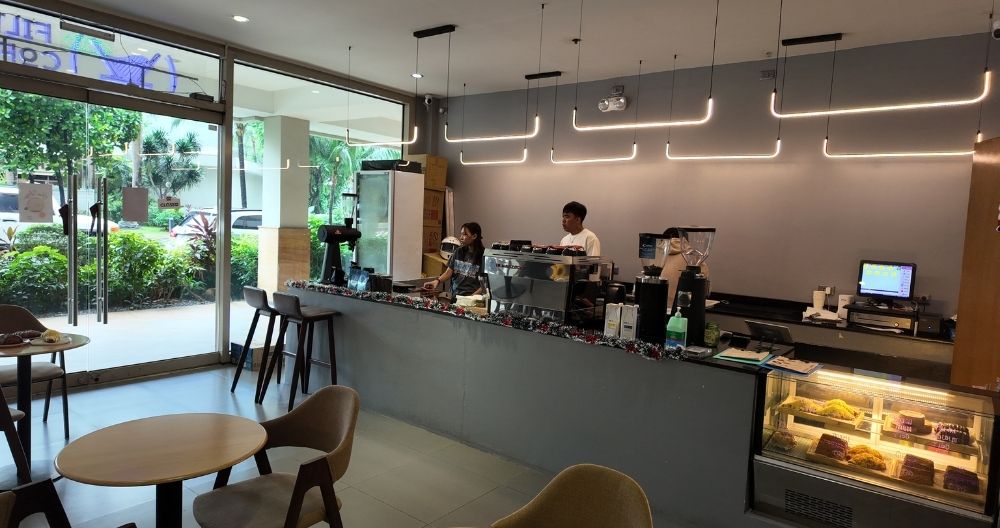
When people ask me how to vet coffee bean suppliers for coffee shops, I always tell them to look past the price sheet first. Here’s what actually matters.
Ask where the beans actually come from, not just “imported” as a vague answer. A supplier that can name specific origins, whether it’s Brazil, Vietnam, Ethiopia, or Colombia, and explain their selection process, is one that takes quality seriously.
This is where the Arabica versus Robusta conversation comes up constantly. Arabica beans are grown at higher altitudes, have a smoother, more complex flavor profile, and generally cost more, which is why most specialty cafés lean on them for espresso-based drinks. Robusta, on the other hand, has roughly double the caffeine content and a bolder, more bitter edge, making it common in traditional kopitiam-style brews and some espresso blends for extra crema.
Good Arabica coffee bean suppliers should be able to tell you the origin, the harvest season, and roughly how fresh the roast is, not just hand you a bag with a generic label.
Learn more: Arabica vs Robusta Coffee Beans – What are the Key Differences?
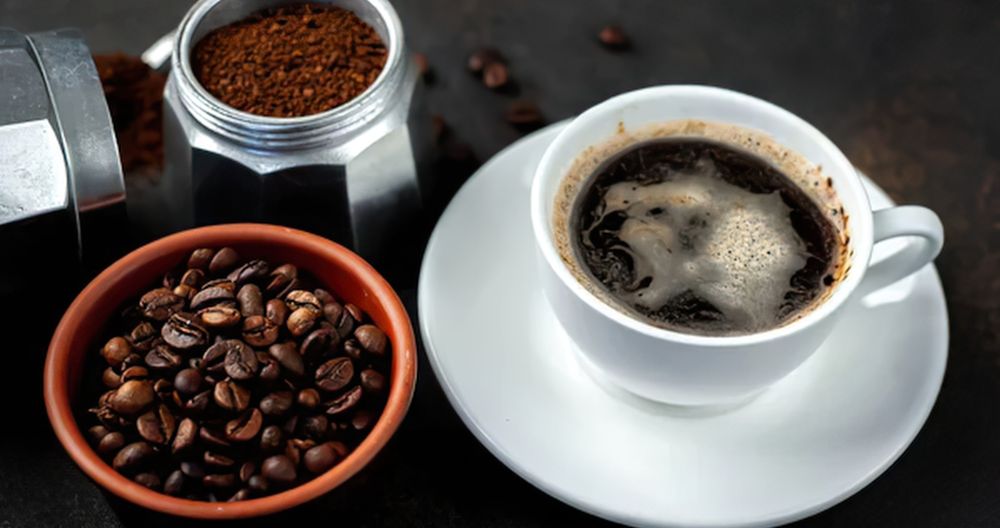
Your menu probably needs more than just whole beans. A well-rounded supplier offers roasted beans, ground coffee, drip bags, traditional coffee bags, and increasingly, capsules for consistency and speed.
This is where coffee capsule suppliers matter more than people expect. Capsules and ESE pods have become popular for smaller outlets or satellite kiosks that want espresso-machine quality without a dedicated barista on every shift. If your supplier only offers whole beans and nothing else, you may find yourself juggling multiple vendors as your menu grows.
Learn more: How to Start a Coffee Shop Business in Malaysia
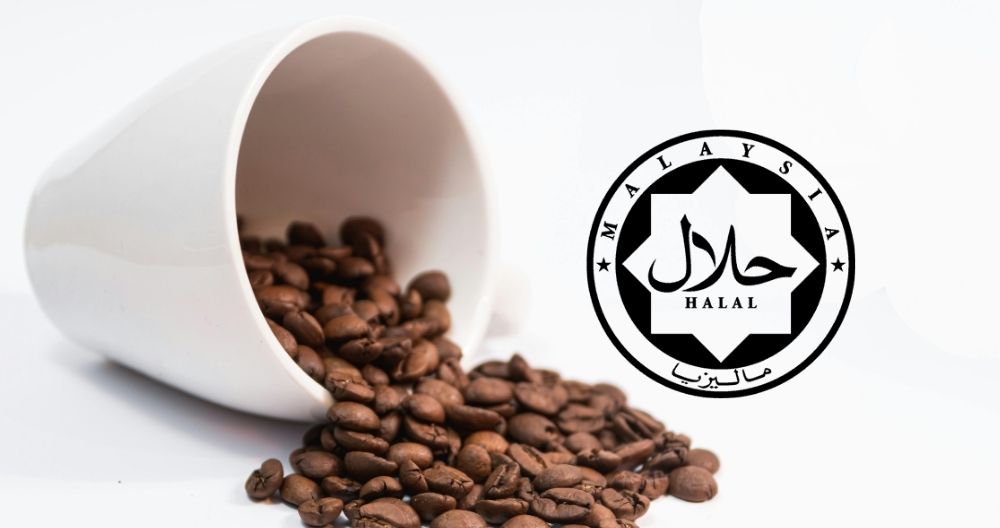
Halal certification is not federally mandatory for most Malaysian F&B operators, not just for religious compliance but for access to malls, hotel chains, and government-linked tenders that require it outright. Beyond halal, look for food safety credentials like HACCP, ISO, and MeSTI (Malaysia’s food safety certification), which signal a supplier takes hygiene and process control seriously, not just marketing.
Learn more: Coffee Bean Halal Certified in Malaysia: A Complete Guide for Brands and Coffee Shops
A supplier who can’t explain how they price, or who changes prices unpredictably, will make your own menu pricing a headache. Ask directly how often prices are reviewed and what triggers a change. The best suppliers help you protect your margins, not just sell you beans.
I’ve heard the horror stories: a shop running out of beans on a Saturday morning because a delivery was delayed with no warning. Ask about typical lead times, minimum order quantities, and what happens if there’s a supply hiccup. Consistency in delivery is just as important as consistency in taste.
This one gets overlooked constantly. A great bean supplier who can’t also help with coffee shop equipment suppliers Malaysia needs, meaning machines, grinders, and maintenance, leaves you juggling separate vendors when something breaks mid-shift.
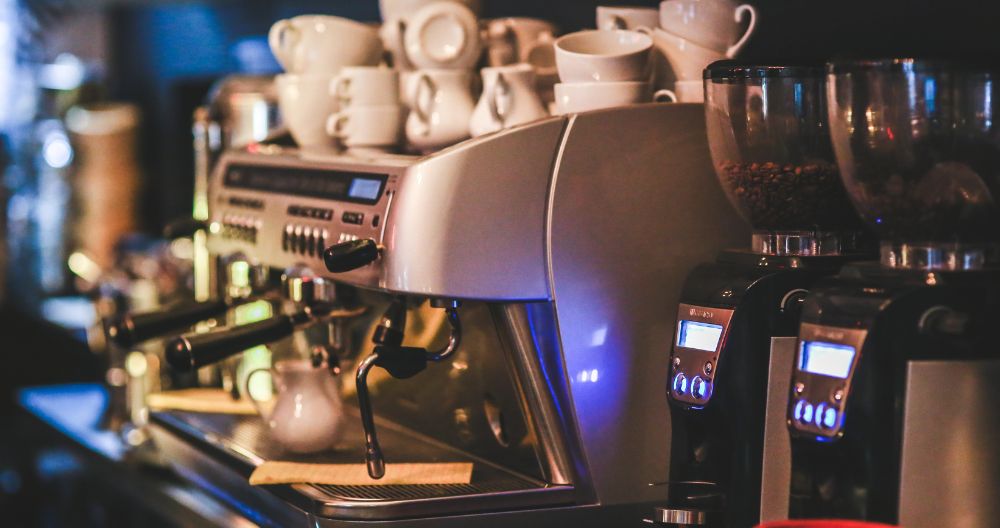
You should look for a coffee machine supplier Malaysia businesses trust for both semi-automatic machines (great for baristas who want manual control) and fully automatic machines (ideal for consistency with less staff training). If you’re running a high-volume outlet ask about bulk brewers which are designed to keep large batches hot and ready during peak times.
If you are building your own brand, and not just selling coffee under a different name, check if your provider offers OEM coffee manufacturer Malaysia services. This means they can roast, package, and even help design your own branded coffee products, which is a completely different relationship than simply buying wholesale beans.

The suppliers I respect most treat the relationship as ongoing, not transactional. They’ll help you troubleshoot a machine issue, suggest a blend adjustment if customer feedback shifts, or advise on portion costing. That kind of support is hard to quantify on a quote sheet, but you’ll feel its absence quickly if it’s missing.
HoReCa coffee, meaning Hotel, Restaurant, and Café supply, operates on a different rhythm than retail. Volume is higher, consistency expectations are stricter, and service level matters enormously because a stockout at a hotel breakfast buffet is a much bigger problem than a stockout at a home pantry.
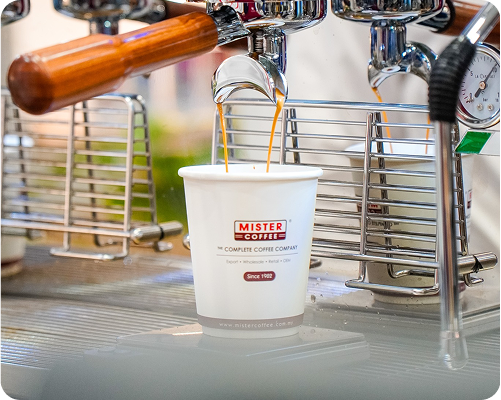
I’ve worked with everyone from single kopitiam counters to hotel F&B departments serving hundreds of covers a day, and the pattern is consistent: HoReCa clients need suppliers who understand bulk ordering cycles, can hold buffer stock, and respond quickly when volume suddenly spikes for an event or a busy season.
If your business fits this category, ask potential suppliers directly whether they have dedicated HoReCa account support, separate from their general retail or e-commerce channel. The answer tells you a lot about whether they’re built for your scale.
A lot of KL-based café owners specifically search for a coffee bean supplier in Kuala Lumpur, assuming local proximity means faster delivery and fresher stock. It’s a fair instinct, but it’s only part of the picture.
What actually matters more is whether the supplier has a genuinely nationwide distribution and delivery network, regardless of where their factory sits. A supplier based outside KL but with efficient logistics and warehousing can serve the Klang Valley just as reliably as one physically located there, sometimes more reliably if their supply chain is better organized.
That said, having a local showroom or pickup point in KL is genuinely convenient for sampling products, picking up smaller orders, or dropping in for a quick consultation, so it’s worth asking if that option exists alongside delivery.
If you’re just getting started, straightforward wholesale supply is usually the simpler path. You choose from an existing range of roasted beans, blends, and formats and focus your energy on running the shop rather than developing a product line.
Private label or OEM makes more sense once you have a clearer brand identity and want your own packaging, your own blend name, and a more distinct market position. It typically requires a higher minimum order and a longer runway, but it also means your coffee becomes a genuine brand asset rather than a commodity.
I usually tell new café owners not to rush into private labels on day one. Build a track record with wholesale supply first, learn what your customers actually respond to, and then approach OEM once you know exactly what you want your brand to say.
The most common one I see is chasing the lowest price per kilogram without asking about consistency. Cheap beans that vary wildly from batch to batch cost you more in the long run through wasted product and frustrated regulars.
Second is ignoring halal certification until a landlord, franchise agreement, or tender specifically demands it, at which point switching suppliers becomes a rushed, stressful scramble instead of a planned decision.
Third is overlooking minimum order quantities and lead times, which can quietly strain your cash flow if you’re forced to over-order just to meet a supplier’s minimum.
And finally, treating equipment as someone else’s problem. If your bean supplier has no relationship with machine servicing, you’ll be stuck coordinating two separate vendors every time something goes wrong, usually during your busiest hour.
Mister Coffee has been sourcing and roasting coffee since 1982, growing from a small family operation into one of Malaysia’s most established coffee companies, with more than 70 million cups of coffee made from our beans consumed every year. We source from more than 25 countries and regions, which gives us the flexibility to offer genuine Arabica and Robusta options across a wide flavor range, not just a single house blend.
Our materials and production processes are halal-certified by the Halal Professional Board and JAKIM, and our operations are also backed by ISO, MeSTI, HACCP, and FSSC certifications, covering both the religious compliance and food safety assurance that Malaysian coffee shops increasingly need for tenders, franchise agreements, and mall requirements.
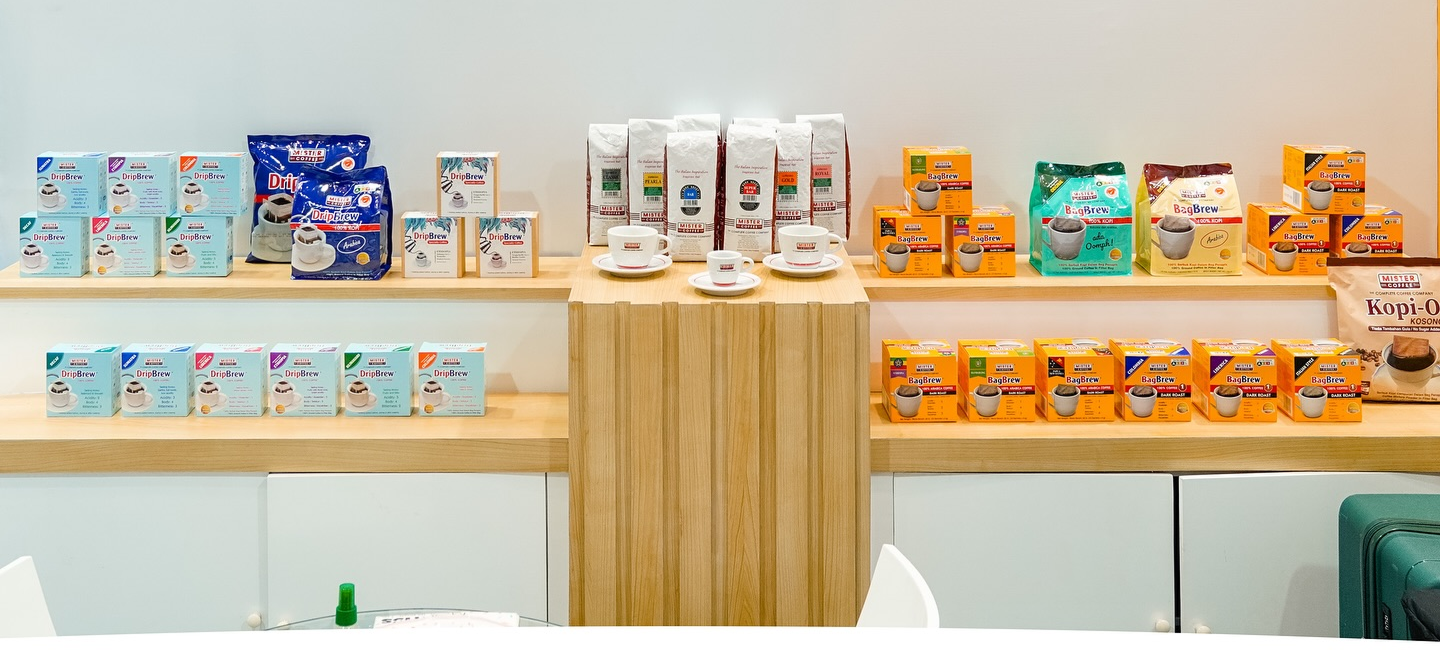
On the product side, we supply roasted beans, ground coffee, drip bags, traditional kopi-o, coffee bags, coffee capsules, ESE pods, and instant beverages, so most coffee shop menus can be built entirely from one supplier relationship rather than several. We also supply and support semi-automatic and fully automatic coffee machines, along with bulk brewers for high-volume operations, which covers the equipment side that so many pure bean suppliers leave out.
If you’re building your own brand rather than reselling ours, our OEM and private label division, known in the industry as “the brand behind many brands,” has helped many businesses go from concept to shelf-ready product, handling everything from roasting to packaging design consultation.
We already work across hotels, restaurants, cafés, kopitiam, food courts, corporate offices, and wholesale partners, including well-known names like Berjaya, IKEA, and Novotel, which tells you we’re built to scale with a business, not just serve a single outlet.
If any of this resonates with where your coffee shop is right now, the practical next step is simple: reach out for a consultation rather than a generic quote. A good supplier conversation should start with questions about your menu, your volume, and your growth plans, not just a price list.
Ask for samples before committing to a large order. Ask what happens if your order volume changes suddenly. And ask directly about halal certification, food safety credentials, and equipment support, even if it feels like overkill at the start. Those answers will tell you more about the next few years of your business than any single price quote ever could.
Picking a coffee supplier for coffee shops isn’t a one-time transaction; it’s closer to choosing a business partner. The right one will quietly make your coffee better, your margins healthier, and your operations smoother, while the wrong one will cost you in ways that don’t always show up on the invoice.
Take your time, ask the harder questions I’ve laid out here, and don’t be afraid to walk away from a deal that looks cheap on paper but feels shaky everywhere else. Whether you end up working with us at Mister Coffee or someone else entirely, going in with this checklist will put you miles ahead of where I see most first-time café owners start.
Don’t just look at the price. Look at the transparency of their bean sourcing, their halal/food safety certifications, their delivery reliability, and their equipment support. Always ask for samples before you sign up for regular orders.
A small kiosk-style setup can start at around RM50,000–RM100,000, while a full cafe with seating and renovation usually costs RM150,000–RM300,000 or more. The big costs are usually equipment, rental deposits, and initial stock.
Figure out what your menu and volume needs are, then ask a few suppliers for samples to compare freshness and taste. Before you agree to a supply contract, check prices, minimum order quantities, and delivery terms.
Yes, there are lots of small coffee shops that are profitable, but margins are usually in the 10-15% range after rent, staff, and ingredient costs. Shop size is secondary to consistent foot traffic and cost control.
Light pastries or snacks are generally served with milk-based espresso drinks like lattes and cappuccinos, which are often the best sellers. Malaysia is still very much in love with the traditional kopi-style drinks and the Western espresso offerings.
The big three are charging too little, choosing a supplier on price alone, and underestimating the daily foot traffic needed to break even. Another common mistake is to leave halal certification until the last minute.
Go for a plain black coffee or an espresso. If a shop nails the basics, it usually nails everything else, too. A long, fancy menu is a worse quality signal than consistency across visits.
Before you sign a lease, know your target customer, local competition, and realistic start-up costs. Getting a reliable coffee supplier in early also protects you from inconsistent quality hurting your reputation.
Yes, many successful owners start with no barista background, though shadowing a coffee shop for a few weeks first helps a lot. A supplier offering training or consultation support can shorten that learning curve.
The biggest challenges are rising rent and ingredient costs, staff turnover, and maintaining quality during busy periods. As Malaysia’s café market continues to grow, so too is the difficulty of standing out.
Places with lots of foot traffic, like around offices, universities, or residential areas, usually do better than places that are destination-only. Most new owners underestimate the importance of street visibility, ease of access, or parking.


If you're looking for decent supermarket coffee in Malaysia, here's the quick answer. You can buy Mister Coffee beans and...
"Can you make me something strong?" my friend asked, sitting down in my kitchen after a long week. "Strong like espresso,...
My first attempt at home espresso was, honestly, a disaster. I bought a cheap machine online, used pre-ground supermarket coffee,...
"Where can I actually find good coffee beans at Giant?" I get some version of this question constantly, usually from...
I keep a small shelf at home just for coffees I'd hand to someone who says, "I don't really taste...
I once watched a new kiosk owner near a KL office tower change her entire menu three times in her...