

Walk past any LRT station, office tower, or campus entrance in the Klang Valley these days, and you’ll spot at least one small coffee counter with no chairs, no lingering customers, just a queue moving fast and cups leaving in hands, not staying on tables. That’s not a coincidence. It’s one of the fastest-growing café formats in Malaysia right now, and for good reason: lower rent, faster turnover, and a genuinely lower barrier to entry than a full sit-down café.
As a coffee expert at Mister Coffee, I find myself on the other side of this trend all the time. Aspiring owners come to us asking the same question in different words: How do you actually start a grab-and-go cafe business from scratch without guessing your way through licensing, costs, and equipment decisions that are expensive to get wrong?
This guide is my honest, detailed answer, the same walkthrough I’d give someone sitting across from me at our showroom counter. We’ll go step by step through concept, licensing, costs, location, equipment, suppliers, and marketing, with real numbers wherever I can give them.
Table of Contents
A grab-and-go coffee shop is built around one idea: speed over seating. There’s little to no dine-in space. The entire layout, menu, and workflow exist to get a customer their drink and food in under a few minutes.
This is genuinely different from a traditional sit-down café. A regular café sells atmosphere, comfortable chairs, wifi, and a reason to linger. A quick-service cafe sells convenience. You’re not competing on ambiance; you’re competing on how fast someone can grab their coffee and get back to their day.
That difference matters because it changes almost every decision downstream: your location, your menu, your equipment, and even your packaging. Everything gets optimized for speed and portability instead of comfort.
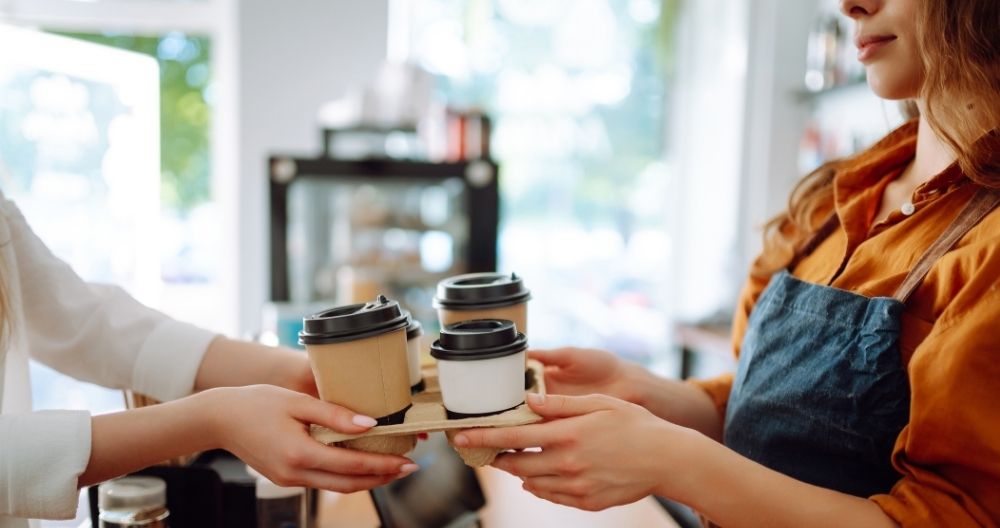
Every solid proposal for a cafe business starts with a clear concept, not a menu. Before you think about what you’re selling, decide what makes your grab-and-go coffee shop different from the ten other kiosks near the same LRT station.
Some of the strongest grab-and-go cafe ideas I’ve seen locally lean into one clear identity: premium coffee at an accessible price point, a health-focused menu for office workers, or a distinctly local flavor angle like kopi with gula Melaka. Pick one lane and commit to it.
Once your concept is set, keep the menu genuinely tight. Every item should be ready in under three to five minutes, no exceptions. Based on what tends to perform well across Malaysian grab-and-go concepts, your menu will usually fall into these categories:
A quick note on pricing, based on typical ranges across Malaysian grab-and-go concepts: pastries usually sit around RM5.90 to RM9.90, sandwiches and wraps RM10 to RM16, coffee RM8 to RM16, and combo sets (coffee plus a pastry or sandwich) RM13 to RM18. These aren’t rigid rules, but they’re a reasonable starting benchmark for your own pricing.
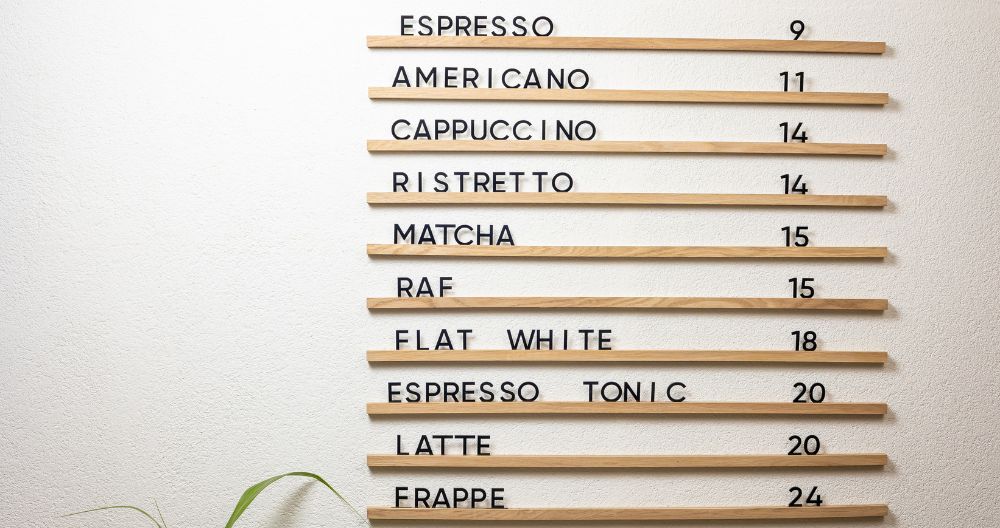
My honest note: don’t try to compete on menu size. I’ve watched more grab-and-go concepts fail from an overloaded menu than from a small one. A tight, well-executed menu of 15 to 20 items beats a sprawling 50-item menu that slows your counter down.
Learn more: Popular Grab-and-Go Cafe Menu Items to Attract Customers
A proper business plan for a cafe in Malaysia needs more than a vibe and a logo. At minimum, yours should include your startup capital, monthly operating costs, target pricing, a daily sales goal, and your break-even point.
Here’s a simple example I use this with new owners: if your daily sales target is RM2,000, and your average receipt is RM15, you need roughly 130 to 135 customers a day to hit that number. Running that math before you sign a lease tells you immediately whether a location’s foot traffic can realistically support your business.
For actual coffee kiosk startup cost ranges, capital requirements in Malaysia generally fall into three tiers:
| Format | Estimated Startup Capital |
|---|---|
| Small kiosk | RM30,000 – RM80,000 |
| Small grab-and-go cafe | RM80,000 – RM200,000 |
| Full sit-down cafe | RM200,000 and above |
That capital typically covers renovation, core equipment, initial stock, licensing fees, signage, and early marketing. If you’re planning a genuine micro-cafe business plan, aim toward the lower end of that first tier and resist the urge to over-furnish a space that doesn’t need seating anyway.
What if your budget is closer to RM5,000? I get this question often enough that I want to answer it honestly rather than sell you a dream. RM5,000 is not realistic for a fixed kiosk with proper equipment and licensing. If that’s your starting capital, I’d point you toward a smaller format entirely, a mobile coffee cart business at weekend markets, a home-based bake-and-deliver operation, or a pop-up stall at a night market to validate demand before committing to a fixed premise. Several successful kiosk owners I know started exactly this way, testing their concept small before scaling into a proper low startup cost cafe ideas format.

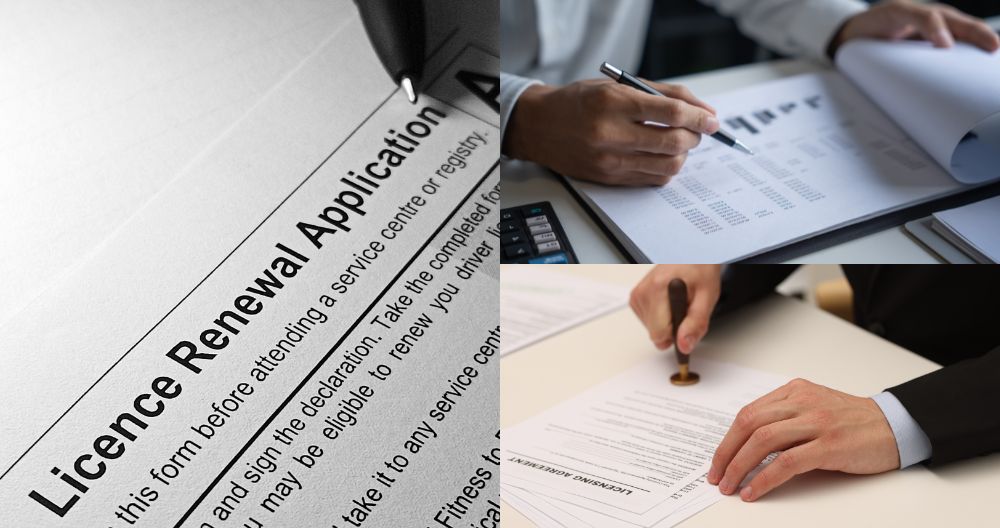
This is the part people rush through, and it’s exactly the part that can shut your business down if you get it wrong. Here’s what’s actually required in Malaysia.
Register with SSM. Every legitimate cafe business starts with registration at Suruhanjaya Syarikat Malaysia (SSM), either as a sole proprietorship or an Sdn Bhd. During registration, you’ll need to select a “nature of business” code that correctly reflects an F&B or café operation; this detail matters more than people expect since it affects what licenses you can later apply for.
Apply for a premise and signboard license. This comes from your local authority (PBT), and requirements genuinely vary between councils; DBKL, MBPJ, and MBSJ, for example, don’t all apply identical rules. Always check your specific council’s requirements before signing a lease.
Complete KKM’s Food Handler training. According to Malaysia’s Food Hygiene Regulations 2009, any person handling food or beverages must complete a food handler course that is approved by the Ministry of Health (KKM). It typically costs around RM50 per person, takes about three hours, and, as of a recent policy, the certificate is valid for life. This is a strict legal requirement, not a suggestion; Regulation 30(1) of the Food Hygiene Regulations makes it explicit.
Get the typhoid vaccination. Alongside the Food Handler course, Regulation 31(1) requires food handlers to receive an anti-typhoid vaccination from a registered medical practitioner. Renewal intervals differ by local council, often every two to three years, so check your specific PBT’s requirement rather than assuming a fixed timeline.
Consider Halal JAKIM certification. This one is optional for most small F&B businesses, but genuinely worth pursuing if you’re targeting Malaysia’s Muslim-majority consumer base. If you do pursue it, make sure your raw material suppliers, especially your coffee and dairy suppliers, also carry valid halal certification, since certification covers your entire supply chain, not just your kitchen.
Check if you need a BOMBA fire certificate. This depends on your premise type and equipment; some grab-and-go setups need it, others don’t. Your local council can confirm based on your specific unit.
I know this section reads like a checklist, and that’s intentional; missing even one of these steps is the single most common reason I’ve seen new grab-and-go cafes get shut down or fined within their first few months.
For a quick-service cafe, location isn’t just important; it’s almost the entire business model. Your success depends almost entirely on foot traffic, since you don’t have seating pulling people in for a longer stay.
The strongest locations I consistently see succeed are near LRT or MRT stations, inside or beside office towers, on university or college campuses, in hospitals, and inside shopping malls with high walk-through traffic. What all of these share is a steady, predictable stream of people already moving through the space.
Here’s the genuinely good news for anyone worried about capital: because you don’t need dine-in seating, your physical footprint can be as small as 100 to 300 square feet. That directly reduces your monthly rent compared to a full café, which is one of the biggest structural cost advantages of this grab-and-go cafe business model.
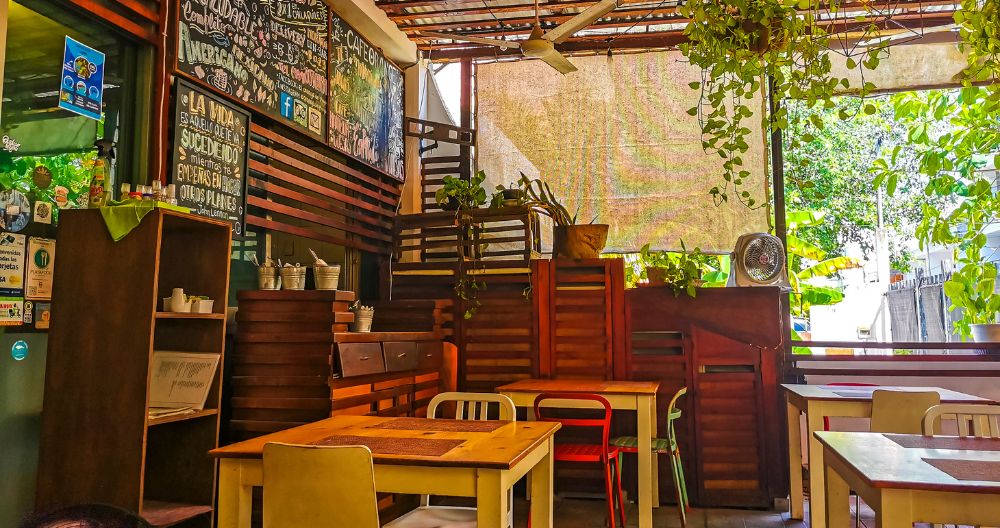
Your counter layout should be built entirely around workflow speed, not comfort. Every extra second a customer waits at your counter is a second closer to them walking to your competitor instead.
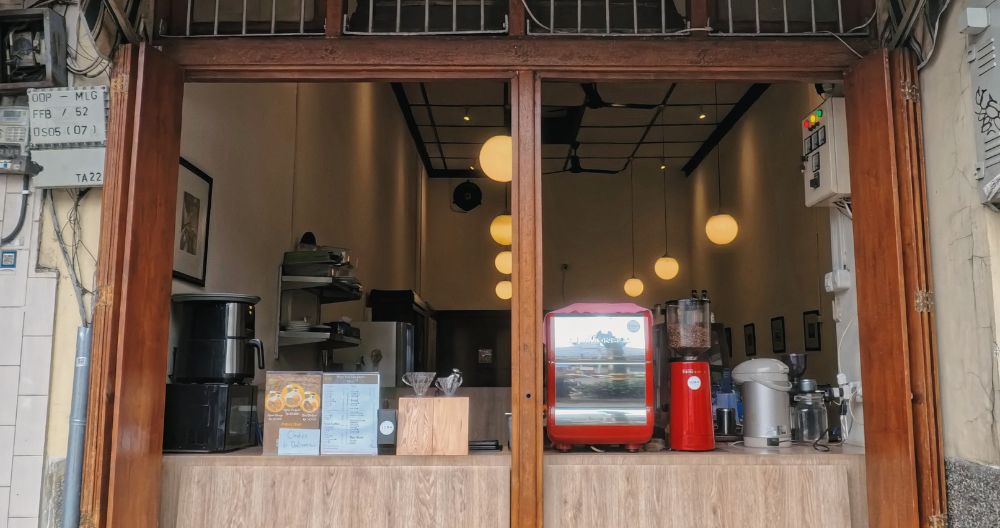
Core equipment for most coffee-focused grab-and-go setups includes a reliable espresso machine, a grinder if you’re working with whole beans, a display chiller for pre-packaged sandwiches or cakes, and a POS system that can keep up with a fast queue.
One equipment decision is genuinely worth thinking through carefully: espresso machine versus capsule-based system. A commercial espresso machine gives you more menu flexibility and lower per-cup cost at volume, but it needs a trained hand behind the counter. A pod-based system, like Mister Coffee’s EseBrew hardpod capsules paired with our Easy Serving Espresso Pod (EPM) machine, sacrifices a little menu range for genuinely consistent quality with minimal training, which matters a lot if you’re relying on part-time or rotating staff.
I’ll be straightforward here, since this is the part of the business I know best. Never rely on a single supplier for any core ingredient. At minimum, have at least two options lined up for coffee beans, milk, bread, pastries, and packaging, so a single delayed delivery doesn’t shut down your counter for the day.
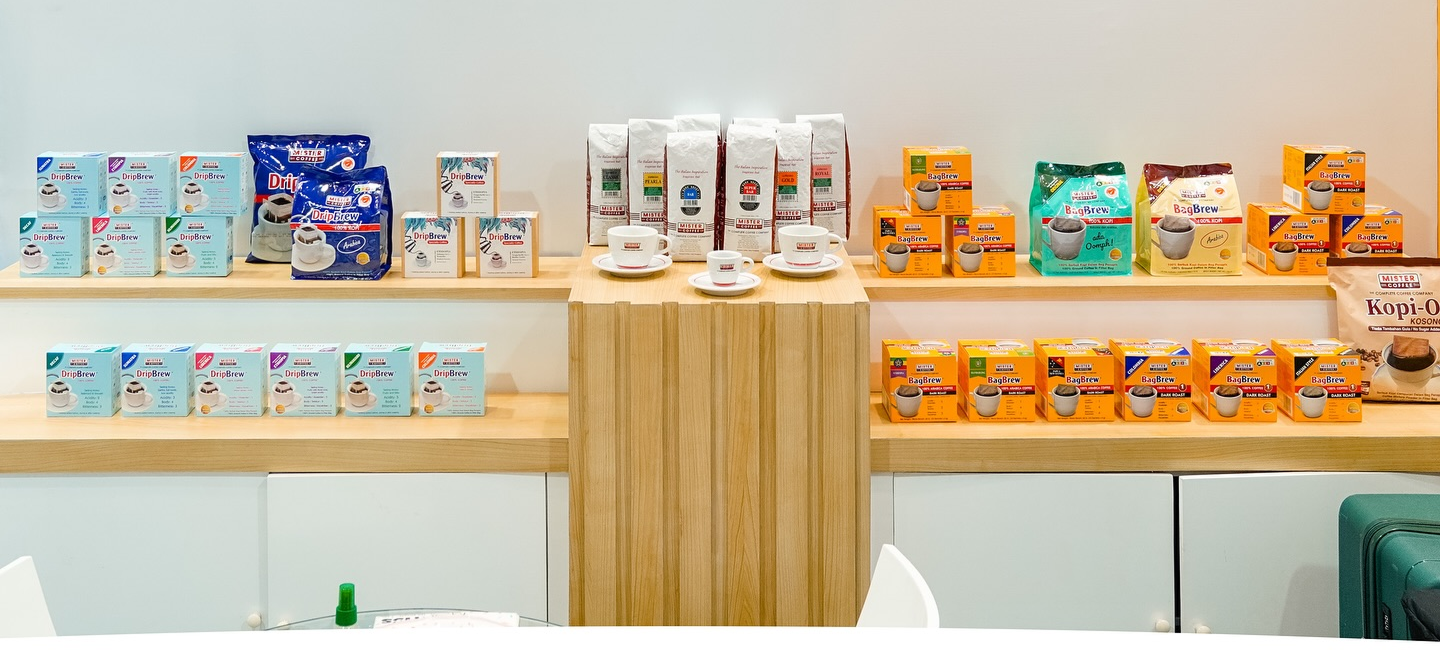
For coffee specifically, this is where I’d genuinely encourage you to look closely at what you’re signing up for. A good coffee bean supplier for a grab-and-go format should offer consistent roast quality, halal certification if that matters for your market, and ideally, equipment support so you’re not managing machine servicing and bean sourcing through two separate vendors.
This happens to be exactly what we focus on at Mister Coffee. Our coffee bean supplier service covers roasted beans, capsules, and instant formats suited to a fast-turnover counter, and our business supply for coffee shops, food courts, and kopitiam program is built specifically around operators who need reliability and speed, not just good beans. If you’re coming from the hotel or restaurant side and adding a grab-and-go counter as a secondary format, our business supply for hotels, restaurants, and cafés division covers that transition too.
My honest note: don’t pick a supplier based on the lowest price per kilogram alone. I’ve seen more grab-and-go concepts damaged by inconsistent bean quality than by paying a fair price for a reliable one.
In a sit-down café, your interior does a lot of the branding work. In a grab-and-go coffee shop, your packaging is basically your only walking advertisement; every customer who leaves with your cup in hand is doing passive marketing for the next hour.
Invest a little more than feels comfortable in cup design, bag design, and consistent brand colors. It genuinely pays for itself. A well-designed cup photographed on someone’s desk or car cupholder does more organic marketing than most paid ads I’ve seen small cafes run.
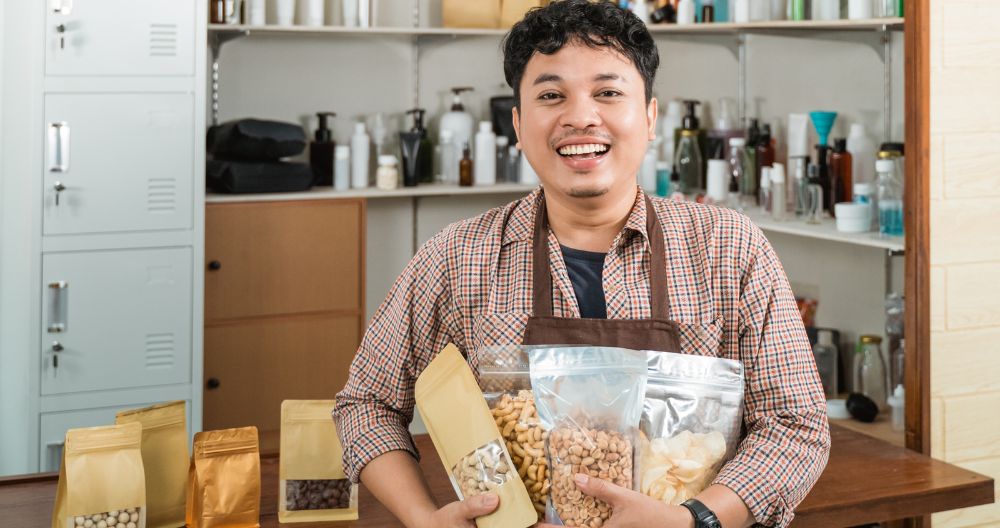
Document your standard recipes, prep timing, and stock rotation before you open, not after. This sounds like an obvious step, but it’s the one most first-time owners skip, and it’s exactly why quality becomes inconsistent once you’re not personally behind the counter every shift.
Written SOPs for hygiene, prep, and closing procedures make staff training dramatically faster, and they protect you legally if a health inspector ever asks how your kitchen actually operates day to day.
Malaysian grab-and-go customers expect cashless payment as the default, not the exception. Make sure your POS system supports DuitNow, Touch ‘n Go eWallet, and GrabPay at minimum; slow card or cash-only checkout is a genuine bottleneck during a morning rush.
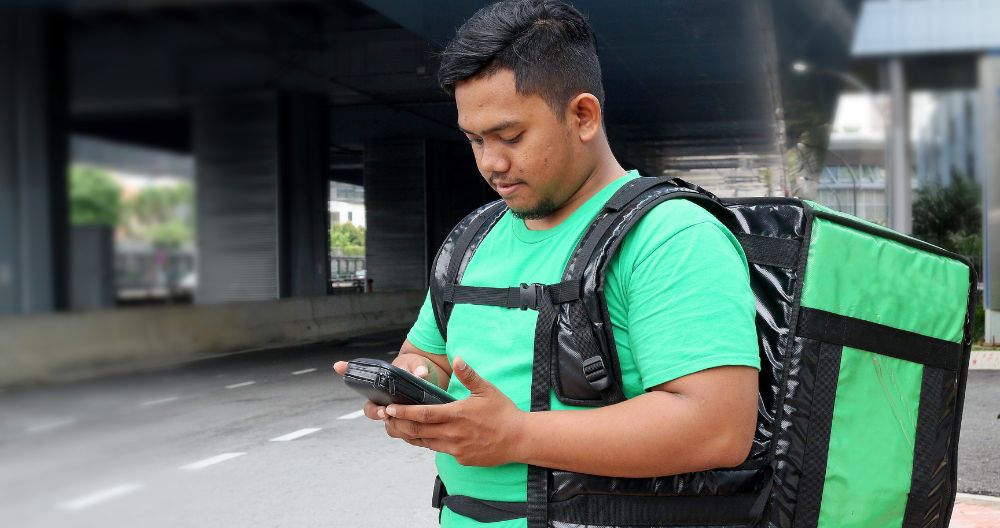
Beyond your physical counter, listing your business on GrabFood, Foodpanda, and ShopeeFood extends your reach well past walk-in traffic. This matters more for a takeaway coffee business than people initially expect; a meaningful share of daily orders for many small F&B operators now comes through delivery apps rather than the counter itself.
For launch, opening promotions and a first-purchase discount do a lot of early heavy lifting. After that, a simple loyalty program, something like a “buy nine, get one free” card or app-based system, keeps customers returning without needing constant new promotions.
Short-form video content genuinely works for this format. TikTok and Instagram Reels showing your drink-making process or a quick “behind the counter” clip tend to resonate strongly with the same younger, mobile-first crowd that grab-and-go concepts are built for. Partnering with a local micro-influencer for a launch week visit is often more cost-effective than paid ads at this stage.
This is a fair question, and the honest answer is that it depends on how much you value speed versus ownership. With a franchise model you get a tried and tested menu, existing brand recognition, and often pre-existing supplier relationships, but you also have to pay franchise fees and royalty payments and have less freedom over your own concept.
Building from scratch, which is what most of this guide has focused on, takes longer and carries more risk, but you keep full control over your menu, pricing, and brand identity. If this is genuinely your first F&B venture and you want to test the model with lower financial exposure, an independent small kiosk is usually the more forgiving starting point. If you’d rather buy into a proven system and are comfortable with less creative control, researching established Malaysian grab-and-go franchise brands directly is worth your time before committing capital either way.
Let’s talk numbers honestly, because I think too many guides oversell this part. Across Malaysia’s small F&B sector generally, net profit margins typically run around 5% to 15% after rent, labor, utilities, and ingredient costs.
Coffee-focused concepts tend to sit toward the higher end of that range, since beverages carry meaningfully better margins than food. Industry estimates put gross margins on coffee and specialty drinks around 65% to 70%, well above what most food items can achieve. That’s exactly why a beverage-heavy coffee cart business or grab-and-go model can often out-earn a food-heavy concept of the same size, even with lower overall revenue.
It’s simply casual English for quickly picking up a coffee to go, with no sitting down and no lingering. It’s essentially the everyday phrase behind the entire grab-and-go business model.
Malaysia has a growing number of local and regional grab-and-go coffee franchises. Availability is very much dependent on your particular area, so it’s worthwhile researching active franchise brands directly and comparing their fees against building an independent concept.
Signature coffee drinks, croissants and pastries, sandwiches and wraps, and local favorites such as mini nasi lemak bungkus are doing well in Malaysian grab-and-go concepts, especially when bundled as combo sets.
At a minimum, you will need SSM business registration, a premise and signboard license from your local council, and a food handler certificate approved by KKM for each staff member handling food. According to your concept and premise, a BOMBA fire certificate and halal certification may also be required.
The cost of setting up a small kiosk is usually between RM30,000 and RM80,000; a small grab-and-go cafe, between RM80,000 and RM200,000; and a full sit-down cafe, RM200,000 and above.
A permanent cafe or kiosk is out of reach on this budget. Think mobile coffee cart at weekend markets, a home-based food business, or a popup stall to validate your concept before scaling up into a proper premise.
Register your food premise and make sure that all food handlers are trained in the KKM-approved food handler training course and all staff have the required typhoid vaccination. Different local councils may have slightly different requirements, so you should check the details with your PBT.
Net profit margins generally run 5% to 15% for small F&B businesses, with beverage-heavy concepts like coffee-focused grab-and-go cafes often performing toward the higher end, thanks to stronger gross margins on drinks.
Starting a grab-and-go cafe business genuinely is one of the most accessible ways to enter Malaysia’s café scene, but accessible doesn’t mean effortless. Your success comes down to a handful of fundamentals: a strategic location with real foot traffic, a tight and well-executed menu, proper licensing done right the first time, and a supplier relationship you can actually rely on.
If you’re just starting to explore this, my honest advice is to start smaller than you think you need to. Validate the concept, learn your numbers, and scale once the demand proves itself. That’s exactly how most of the successful small coffee kiosk businesses I’ve worked with got started, and it’s a far less stressful path than betting everything on a large space from day one.
Related reading: for more on the broader café landscape in Malaysia, see our guide on starting a coffee shop business in Malaysia, and for supplier-side guidance, our piece on choosing a coffee supplier for coffee shops and where to buy a coffee machine in Malaysia are both worth a read before you finalize your setup.


If you're looking for decent supermarket coffee in Malaysia, here's the quick answer. You can buy Mister Coffee beans and...
"Can you make me something strong?" my friend asked, sitting down in my kitchen after a long week. "Strong like espresso,...
My first attempt at home espresso was, honestly, a disaster. I bought a cheap machine online, used pre-ground supermarket coffee,...
"Where can I actually find good coffee beans at Giant?" I get some version of this question constantly, usually from...
I keep a small shelf at home just for coffees I'd hand to someone who says, "I don't really taste...
I once watched a new kiosk owner near a KL office tower change her entire menu three times in her...