

Although there are over 100 species of coffee in the world, Arabica and Robusta coffee beans are by far the most widely grown and consumed today. These two beans shape most of what we drink, from everyday instant coffee to high-end café brews, yet they differ in more ways than many people realize.
Their taste, caffeine content, growing conditions, and even price can vary quite a bit, which is why some coffees feel smooth and balanced while others come across as bold and bitter.
In this article, we’ll take a closer look at what sets Arabica and Robusta coffee beans apart, from how they’re grown to how they taste in your cup, so you can better understand their differences and figure out which one suits your preference.
Table of Contents
Arabica coffee comes from the Coffee Arabica plant and is known for its smooth, complex flavor profile, which can range from chocolatey to fruity or citrusy depending on where it’s grown. It generally has a sweeter, more acidic taste, making it a popular choice for specialty coffee.
You’ll often see “100% Arabica” on labels because it’s long been considered the premium option, accounting for a large share of global coffee consumption.
Arabica is typically grown in high-altitude regions with cooler climates, such as Colombia, Ethiopia, and Costa Rica. These specific growing conditions, along with the need for careful, selective harvesting, make Arabica beans more labor-intensive to produce and often more expensive.
Robusta coffee comes from the Coffea canephora plant and is known for its strong, bold flavor profile, often described as earthy, nutty, or slightly bitter. It typically has lower acidity but contains more caffeine, which gives it a heavier, more intense taste. While it’s sometimes seen as less refined, Robusta is widely used in espresso blends for its rich crema and fuller body.
It’s commonly grown in lower-altitude regions with warmer climates, especially in countries like Vietnam, Indonesia, and parts of Africa.
Robusta plants are hardier and easier to cultivate than Arabica, with beans that ripen more uniformly, making them less labor-intensive to harvest and generally more affordable.
| Feature | Arabica | Robusta |
|---|---|---|
| Taste Profile | Smooth, sweet, acidic, with fruity or floral notes | Bold, bitter, earthy, with nutty or grainy notes |
| Caffeine Content | Lower (1.2% – 1.5%) | Higher (up to 2.7%) |
| Bean Shape | Oval and elongated | Round and compact |
| Growing Elevation | High (above 3,000 ft) | Low (below 3,000 ft) |
| Cultivation | Delicate, sensitive to pests | Hardy, resistant to pests |
When it comes to taste, Arabica beans and Robusta beans offer very different experiences in the cup.
Arabica is known for its layered, aromatic profile, often carrying notes that can be fruity, floral, or even slightly chocolatey depending on where it’s grown. It also has higher acidity, which gives it a brighter, more vibrant taste that many people associate with specialty coffee.
Learn more: Best Coffee with Chocolate Notes
Robusta, on the other hand, leans toward a much stronger and more straightforward flavor. It’s typically bolder, more bitter, and heavier on the palate, with earthy, nutty, or sometimes grainy notes that can come across as harsher compared to Arabica’s smoothness.
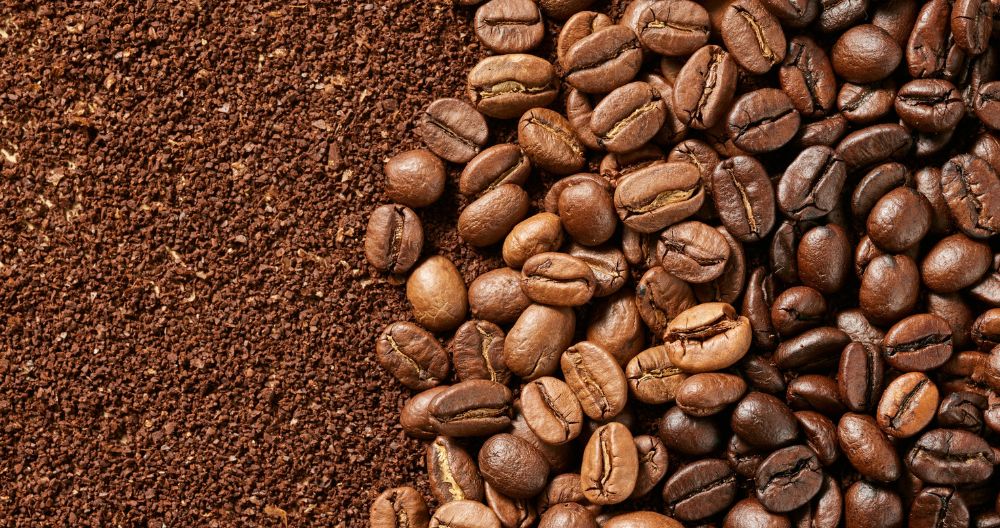
These differences also influence how each bean is roasted. Arabica tends to perform best with light to medium roasts, which help preserve its natural complexity and highlight its subtle flavors.
Robusta coffee beans, however, are often roasted darker to tone down its sharp bitterness and bring out deeper, more roasted notes. This darker roast profile is why Robusta is commonly used in espresso blends and instant coffee, where a rich, intense flavor is preferred.
You can often spot the difference between Arabica coffee beans and Robusta coffee beans just by their appearance.
Arabica beans tend to be longer and more oval-shaped, with a slightly curved center crease, while Robusta beans are usually smaller, rounder, and have a straighter line down the middle.
These differences come from the way the plants grow, with Arabica typically producing more elongated beans and Robusta yielding more compact ones.
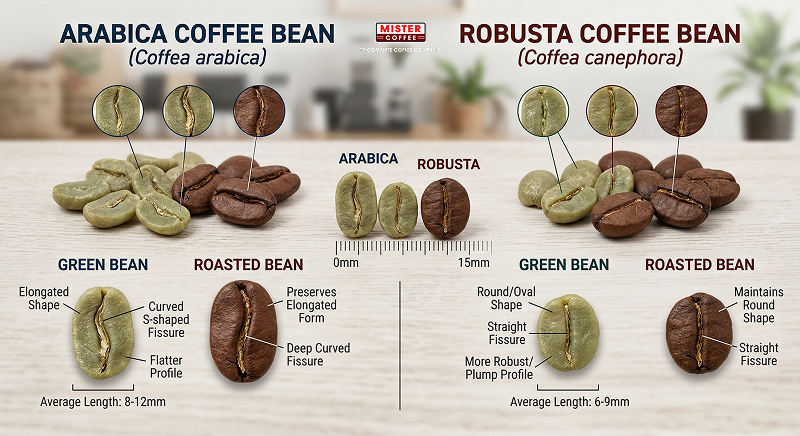
While it seems like a small detail, the shape and size of the beans reflect the broader differences between the two, including how they taste and how they’re used in products like instant coffee.
If you want your morning coffee to really wake you up, Robusta coffee beans are the stronger choice.
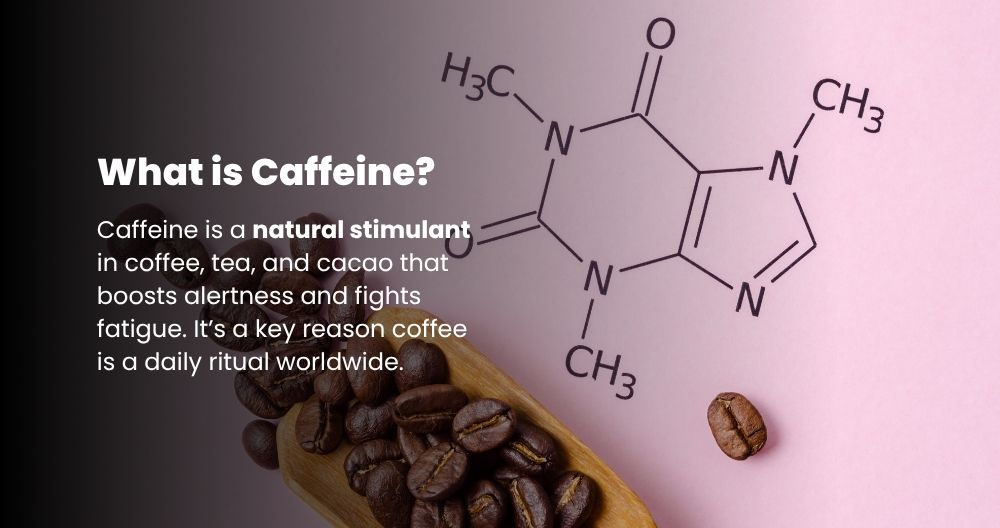
They naturally contain much more caffeine, sometimes up to around 2.7%, which not only gives you a bigger energy boost but also contributes to their bold, bitter taste.
That higher caffeine content is also why Robusta coffee is often used in espresso blends and instant coffee, where a stronger kick is preferred.
Arabica beans, on the other hand, have significantly less caffeine, usually around 1.2% to 1.5%. This lower caffeine level results in a smoother, milder flavor with subtle sweetness and more nuanced notes.
Learn more: What is Caffeine?
So while Robusta is great for intensity and alertness, Arabica is better suited for a more balanced, easy-drinking cup that still gives you a gentle lift without being overpowering.
Learn more: What is Caffeine?
Roughly 70% of the world’s coffee production is Arabica, whereas about 25% of the world’s coffee production is Robusta.
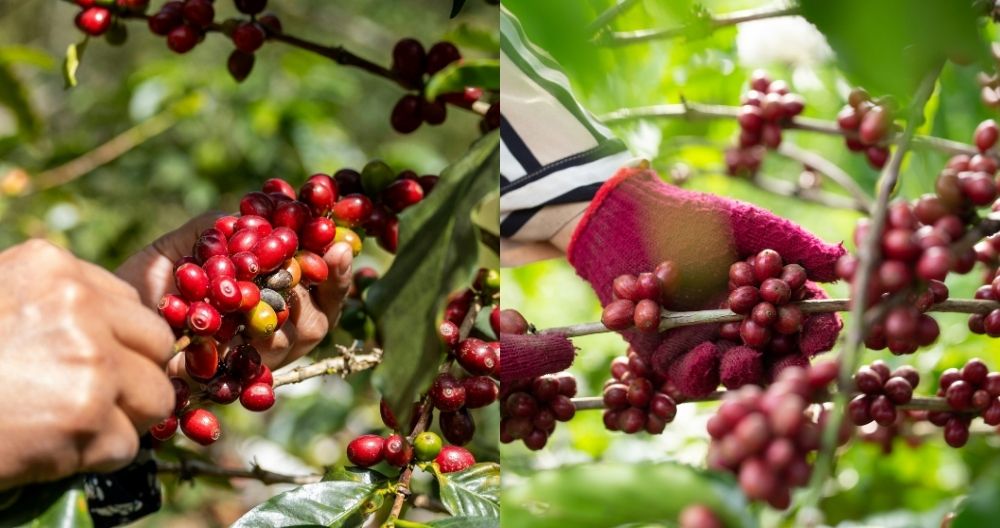
Arabica coffee beans and Robusta coffee beans differ quite a bit in how and where they’re grown, and these conditions play a big role in their final quality. Arabica beans thrive at higher elevations, typically above 3,000 feet, where the combination of warm days and cool nights helps develop its more complex and nuanced flavors.
However, this also makes it more delicate. Arabica plants are sensitive to changes in climate and are more vulnerable to pests and diseases like coffee leaf rust, which means they require careful management and specific growing conditions.
Robusta beans, on the other hand, are much sturdier. It grows well at lower altitudes, often below 900 meters, and can handle hotter temperatures, high humidity, and less predictable environments. True to its name, Robusta plants are more resistant to disease and pests, making it easier and more reliable to cultivate. The plants themselves are stronger and tend to produce a higher yield of coffee cherries, which also makes Robusta more cost-effective for farmers.
In contrast, Arabica’s lower yield and higher maintenance needs contribute to its reputation as a more premium, labor-intensive crop.
So which one should you choose? In the end, there’s no right or wrong answer.
Arabica and Robusta are simply different, and the better option comes down to your personal taste. If you enjoy a smoother, more nuanced cup with hints of fruit or chocolate, Arabica beans might suit you more.
If you prefer something stronger, bolder, and more intense, Robusta coffee beans have their own appeal. While Arabica is often seen as the more premium choice, Robusta still holds its place among coffee lovers for its distinct character. It’s less about which is “better” and more about what you enjoy in your cup.
If you are looking for premium Arabica coffee bean suppliers or reliable Robusta coffee bean suppliers, browse Mister Coffee’s large selection of coffee beans at our online store today!
Neither is objectively better; it depends on preference. Arabica is smoother and more complex, while Robusta is bolder, more bitter, and higher in caffeine.
Check the bean shape: Arabica beans are oval and elongated with a curved crease, while Robusta beans are rounder with a straight crease.
Robusta plants are hardier, more pest-resistant, and produce higher yields at lower altitudes, making them less labor-intensive and more cost-effective to grow.
Traditional Southeast Asian “Kopi” often uses Robusta beans, or a blend, roasted with sugar and margarine for a rich, bold flavor.
Vietnam is a leading producer renowned for high-quality, strong Robusta used in its iconic coffee culture.
Arabica coffee typically contains about 1.2% to 1.5% caffeine.
It has a smooth, sweet flavor with bright acidity and notes that can be fruity, floral, or chocolatey.
You can find a wide selection of both species at Mister Coffee’s online store.
Which coffee is better arabica or robusta?


I still remember a regular at our café counter holding up two cups, sniffing each one, and asking me, half-joking,...
I still remember the first time someone handed me a cup of coffee and said, "you'll get notes of blueberry...
If you're anything like me, a proper brew is an essential part of your morning routine. Over the years, I’ve...
For a drink that has utterly transformed the way we enjoy our daily caffeine hit, it’s cold brew. There is...
There is nothing quite like waking up to the rich, inviting aroma of freshly roasted coffee filling your home. For...
Picture this, you’ve just started your day, bright and early, and the first thing on your mind is a warm...
