

Recent studies from Ningxia Medical University of China have shown that consuming coffee might do more than just deliver a morning boost—many people now wonder, “can coffee help prevent dementia?” According to this research, it might even reduce the risks of dementia among people with high blood pressure, strengthening ongoing discussions around coffee and dementia.
Table of Contents
In a large study of nearly half a million UK Biobank participants, researchers found that hypertensive individuals who drank moderate amounts of coffee or tea had a lower likelihood of developing dementia. This adds compelling evidence to ongoing conversations about dementia and drinking coffee and how lifestyle habits influence cognitive health.

Coffee showed a J-shaped pattern of protection, with the lowest risk seen at about half to one cup per day, while tea showed a U-shaped pattern, with optimal benefits at four to five cups daily.
Caffeine intake followed a similar U-shaped trend for both all-cause and vascular dementia.
Notably, these associations were stronger in hypertensive adults than in those without high blood pressure, suggesting that moderate coffee or tea consumption may offer meaningful cognitive benefits for this at-risk group. Findings like these continue to fuel interest in the broader coffee and dementia study landscape.
Hypertension has become one of the most widespread and persistent health challenges of our time, affecting an estimated 1.3 billion people globally in 2019.
Among adults aged 30 to 79, roughly one in three lives with elevated blood pressure, often without symptoms but with serious long-term consequences.
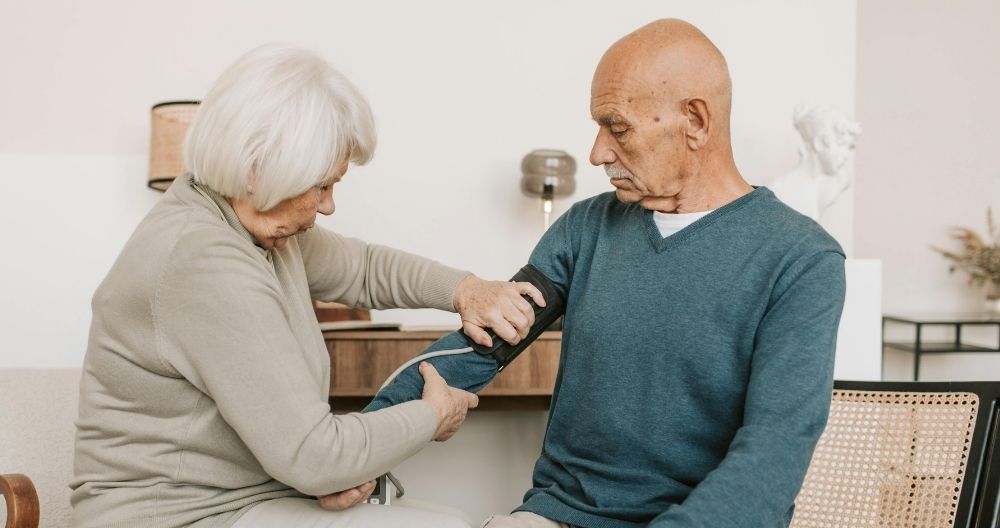
One of the conditions most closely tied to hypertension is dementia. Studies show that abnormal blood pressure contributes to roughly 11 to 20 percent of all dementia cases, highlighting how strongly vascular health shapes cognitive outcomes.
Taken together, these numbers echo a critical public health message: managing blood pressure isn’t only about protecting the heart, it may also play a key role in safeguarding brain health as we age. This also helps explain why so many researchers are asking questions like “does coffee cause dementia or does it help reduce the risk?”
Caffeine, the main stimulant in coffee, tea, and many everyday drinks, is the most widely used psychoactive substance in the world and may help protect the brain as we age.
Studies suggest that caffeine can reduce inflammation in the brain and safeguard nerve cells, both of which are important in lowering the risk of neurodegenerative diseases like dementia.

Because of these potential benefits, coffee and tea are drawing growing interest in dementia research, not only for their caffeine content but also for other natural compounds that may support brain health.
Overall, these findings point to the possibility that regular, moderate consumption of coffee or tea could play a small but meaningful role in maintaining cognitive health over time—an important point for anyone curious about coffee and dementia relationships.
The study also looked at how different types of coffee might influence dementia risk by separating caffeine intake into categories such as ground coffee, instant coffee, and decaffeinated coffee.
Among these, moderate consumption of caffeinated ground coffee offered the strongest protective effect, suggesting that both its caffeine content and its natural compounds may play a role in supporting brain health.
Instant coffee showed a smaller but still noticeable benefit.
In contrast, decaffeinated coffee provided little to no protective effect, indicating that caffeine, or the compounds typically found alongside caffeine in regular coffee, may be key contributors to the observed benefits.
These findings highlight that not all coffee types have the same impact, and the way coffee is processed may influence its potential to support cognitive health. This further enriches the growing body of coffee and dementia study evidence.
Learn more: What is Decaf Coffee?
If you’re interested in exploring the types of coffee that may support better long-term brain health, Mister Coffee offers a wide selection to help you find what suits your taste.

From Arabica and Robusta to the distinct profile of Liberica coffee, you can choose from a range of high-quality options.
Visit our online store to discover the varieties available and start shaping a coffee routine that works for you.
Moderate coffee consumption may be safe for many dementia patients, but it should be discussed with a doctor, as caffeine can affect sleep, anxiety, and medications.
Research often points to green tea as one of the most beneficial drinks for brain health due to its antioxidants and neuroprotective compounds.
Quitting caffeine doesn’t typically improve memory long-term, but it may reduce dependence, improve sleep quality, and help concentration in people sensitive to caffeine.


If you are a Muslim person, the answer is yes, you can absolutely drink coffee during Ramadan. There’s nothing in...
Coffee is one of the most widely enjoyed drinks in the world, valued not just for its flavor but also...
Caffeine in coffee is the natural stimulant that gives your morning brew its signature boost, helping you feel more alert,...