

If you are a Muslim person, the answer is yes, you can absolutely drink coffee during Ramadan. There’s nothing in Islamic teachings that forbids coffee or caffeine itself. The key is when you drink it and how much you consume.
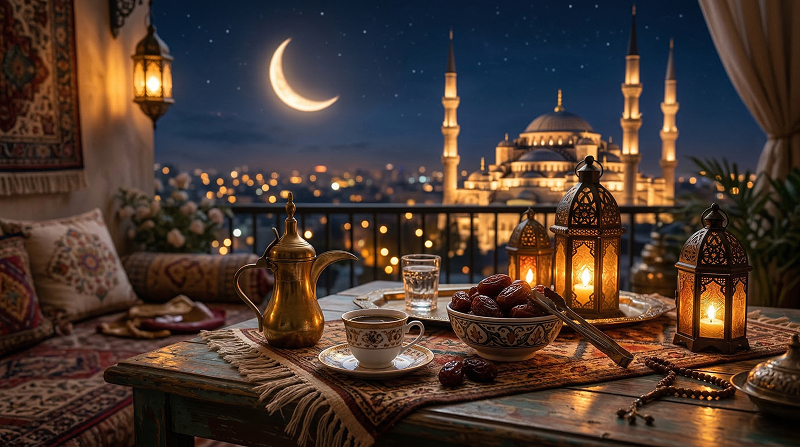
During the fasting hours, from dawn (Fajr) until sunset (Maghrib), you obviously can’t consume any food or drink, including coffee. But once you break your fast at iftar (after sunset meal) after the sun sets in the evening, coffee is completely permissible, and even encouraged for productivity.
That said, just because you can drink it doesn’t always mean you should load up on it without thought. Ramadan shifts your eating and sleeping schedule drastically, and caffeine can have an impact on your circadian rhythm. If you’re used to several cups a day, suddenly cutting it off during daylight hours can lead to headaches, fatigue, or irritability, especially in the first few days of fasting.
Key Takeaways
Table of Contents
A smarter approach is to plan your caffeine intake beforehand. Some people do find it helpful to gradually reduce their coffee consumption a few weeks before Ramadan begins to get used to the energy levels without caffeine. This can minimize withdrawal symptoms and make the transition into fasting much smoother.
Timing matters when it comes to coffee during Ramadan.
Many people choose to drink it at suhoor (pre-dawn meal), where a small cup can help you feel more alert during the day and may reduce caffeine withdrawal headaches. The downside is that coffee can make you feel thirstier later on, especially if you don’t drink enough water alongside it.
Others prefer having coffee at iftar, since it can quickly relieve headaches and give you a boost of energy after a long fast. However, drinking it too soon after eating may cause acidity or make it harder to fall asleep later.
Some people wait until after night prayers, when digestion has settled after breaking fast, but having caffeine too late in the evening can still interfere with sleep.
In the end, there isn’t a single perfect time. It often comes down to personal preference, so pay attention to how your body reacts and adjust your routine accordingly.
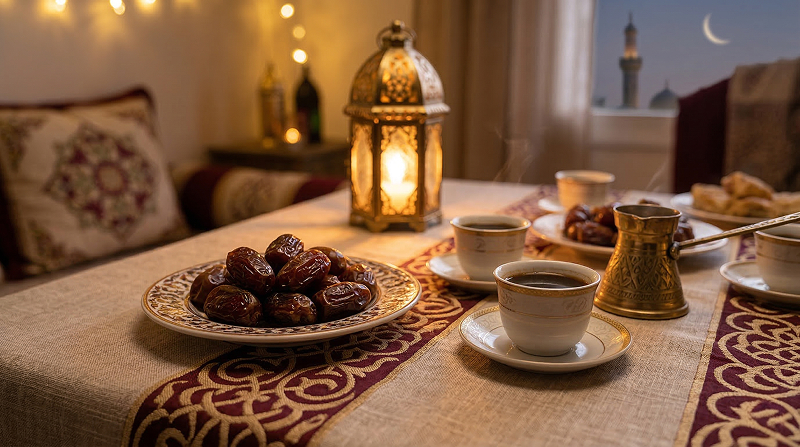
You need to think about staying hydrated if you want to enjoy your Ramadan coffee. Coffee is a mild diuretic, so it won’t completely dehydrate you. But if you drink a lot of coffee at night without drinking enough water, you might feel thirstier the next day, which will make it harder to get through your fast.
If you drink coffee, make sure to drink a lot of water between iftar and suhoor. It also helps to eat foods that are high in water, like watermelon or cucumber, with your coffee. You should also include foods that are easy to digest, like yogurt or porridge, in your Ramadan diet.
At Mister Coffee, we are committed to delivering high-quality coffee while respecting the diverse needs of our customers. As part of this commitment, we are currently in the process of applying for Halal certification to ensure our products meet recognized halal standards.
This step reflects our dedication to transparency, quality assurance, and inclusivity for Muslim coffee lovers. Once certified, customers can enjoy Mister Coffee products with greater confidence, knowing they meet strict halal compliance in sourcing, processing, and handling.

Is it okay to drink coffee at Suhoor?
You can drink coffee during Suhoor, but you shouldn’t do it too much. Caffeine in coffee can make you more dehydrated during the day, especially in hot places. A lot of people like their coffee lighter or drink it with a lot of water.
Why do some people avoid coffee during Ramadan?
Some people avoid coffee because caffeine can cause: Dehydration, Increased thirst, Difficulty sleeping. Others may reduce caffeine intake during Ramadan to help maintain better hydration while fasting.
Can coffee help with energy during Ramadan?
After Iftar or during late-night prayers, coffee can help you stay awake. But too much caffeine can keep you from sleeping, especially if you drink it late at night.
Is decaffeinated coffee a good option during Ramadan?
Yes, decaf coffee can be a good choice for people who want to taste coffee without the caffeine buzz. Compared to regular coffee, it might help you sleep better and stay hydrated.
What is the best time to drink coffee during Ramadan?
The best times are: After Iftar (once you have eaten and hydrated), After Taraweeh prayers for a relaxing drink, At Suhoor, but in small amounts. Drinking coffee right after breaking the fast is common in many cultures.
What type of coffee is popular during Ramadan?
Many people enjoy: Arabic coffee (Qahwa) with dates, Light roasted coffee, Coffee with milk or spices. These drinks are often served during evening gatherings after Iftar.
Can drinking too much coffee affect fasting the next day?
Yes. Drinking excessive caffeine at night may cause: Poor sleep, Increased thirst, Headaches from caffeine fluctuations. This can make fasting the following day more difficult.
Should regular coffee drinkers reduce caffeine before Ramadan?
Yes, it can help to cut back on caffeine slowly before Ramadan. This helps keep you from getting withdrawal symptoms like headaches, tiredness, or irritability in the first few days of fasting.
What are good coffee alternatives during Ramadan?
If you want something lighter, you can try: Decaffeinated coffee, Milk coffee, Barley coffee substitutes, Herbal drinks. These options are gentler and help maintain hydration.
In the end, Ramadan is about focusing on your spirituality, being disciplined, and finding balance. You can still drink coffee during this time if you do so mindfully.
During Ramadan, the most important thing about coffee is to drink it in moderation and at the right times. Limiting yourself to one or two cups, drinking enough water, and eating healthy foods like dates, fruit, yogurt, or whole grains with your coffee can make a big difference.
Some people also say that eating less at suhoor or switching to decaf in the evening helps them sleep better and have more energy.
If you think about it, coffee can still be a simple part of your routine during Ramadan without taking away from the spirit and purpose of the month.


Coffee is one of the most widely enjoyed drinks in the world, valued not just for its flavor but also...
Recent studies from Ningxia Medical University of China have shown that consuming coffee might do more...
Caffeine in coffee is the natural stimulant that gives your morning brew its signature boost, helping you feel more alert,...